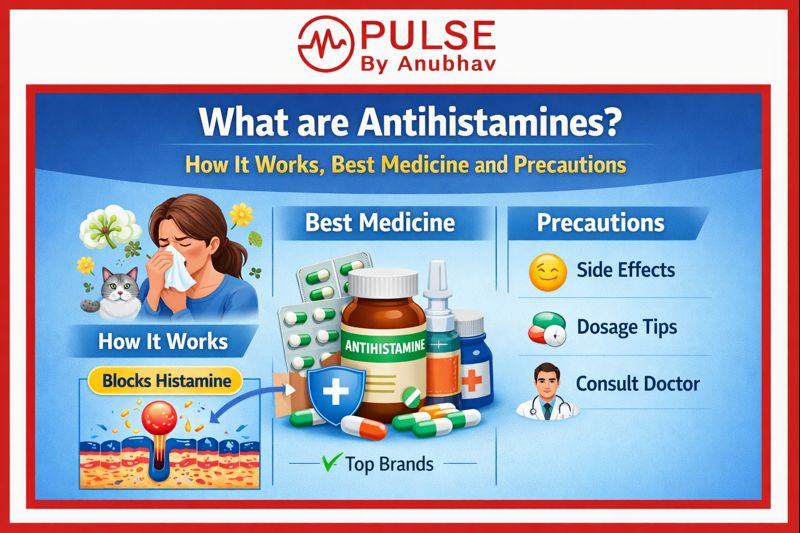
Antihistamines are a type of drug that many people take without consulting a doctor. Know everything about antihistamines, from how they work to their potential side effects.
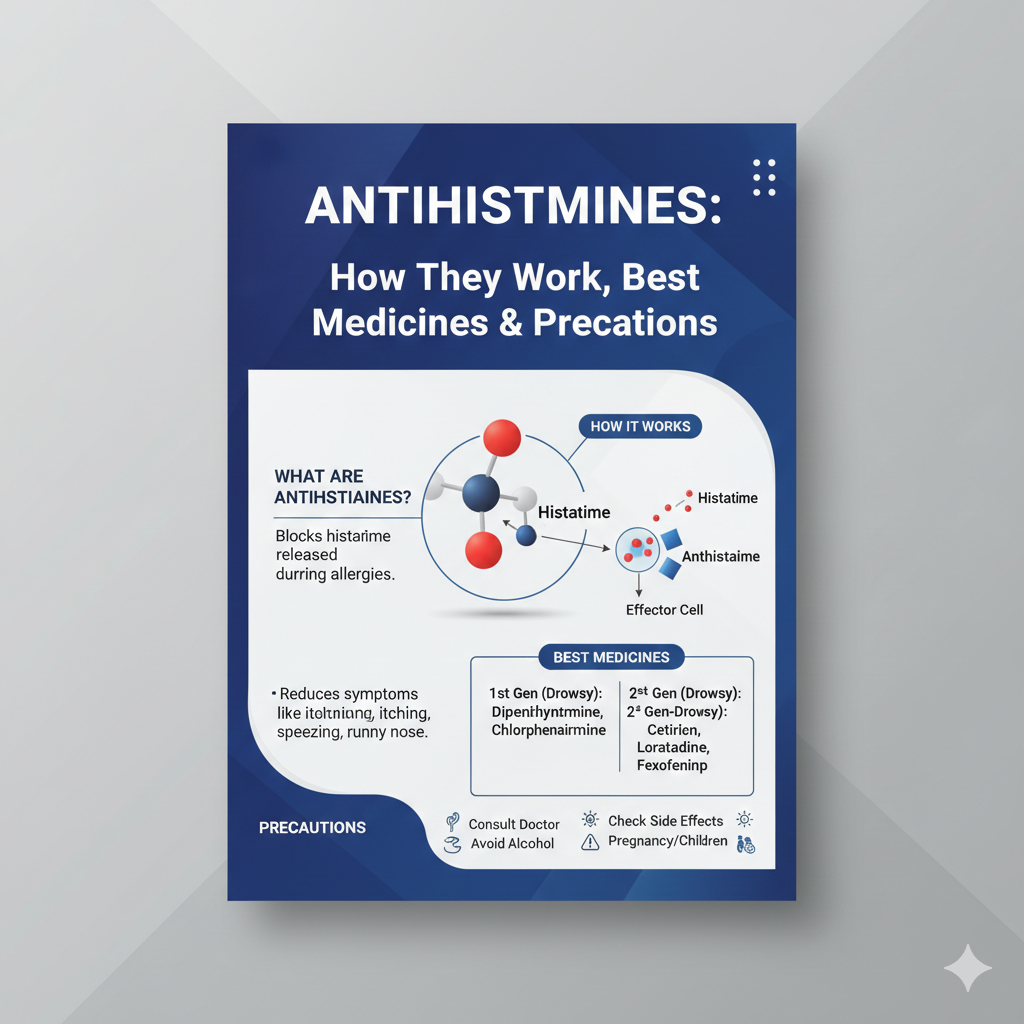
Antihistamines are a drug that has properties that are very helpful in reducing allergies. These antihistamine drugs are available in various forms in the market. You should use them based on your symptoms. Avoid taking any kind of medication without consulting a doctor.
Note: This entire blog content is for educational purposes only and is not medical advice.
Also Read: Who is Border 2 actress Medha Rana? Biography, career & photos
What are antihistamines?
Antihistamines are a common type of medication that can be easily obtained over the counter or with a prescription at a pharmacy. This medication works to reduce allergy symptoms.
When should these antihistamine drugs be taken?
- Hay Fever
- Nasal Congestion
- Sneezing
- Hives Caused By Pollen
- Dust Mites
- Animal Allergy
Antihistamines: Allergy Type, Problem, and the Right Medication
| Allergy / Problem | What is it? | Recommended Antihistamine |
|---|---|---|
| Hay Fever (Allergic Rhinitis) | Runny nose, watery eyes, and sneezing due to pollen or seasonal allergies. | Cetirizine, Loratadine, Fexofenadine |
| Nasal Congestion | Blocked nose and difficulty breathing due to allergies. | Desloratadine, Loratadine (with a decongestant) |
| Sneezing | Frequent sneezing due to dust, pollen, or cold air. | Cetirizine, Levocetirizine |
| Hives (Pollen Allergy) | Red, itchy bumps on the skin caused by pollen allergy. | Fexofenadine, Cetirizine, Desloratadine |
| Dust Mite Allergy | Allergy to house dust mites, causing sneezing, itching, and watery eyes. | Loratadine, Levocetirizine |
| Animal Allergy | Allergy caused by pet hair or dander. | Cetirizine, Fexofenadine |
Types Of Antihistamines : First-Gen aur Second-Gen Explained
Antihistamines work by blocking histamine receptors. There are two types of antihistamines based on which H-receptors they block.
Ye division is baat par hota hai ki dawa histamine ke kaun-se receptor ko block karti hai.
- H1 receptors.
- H2 receptors.
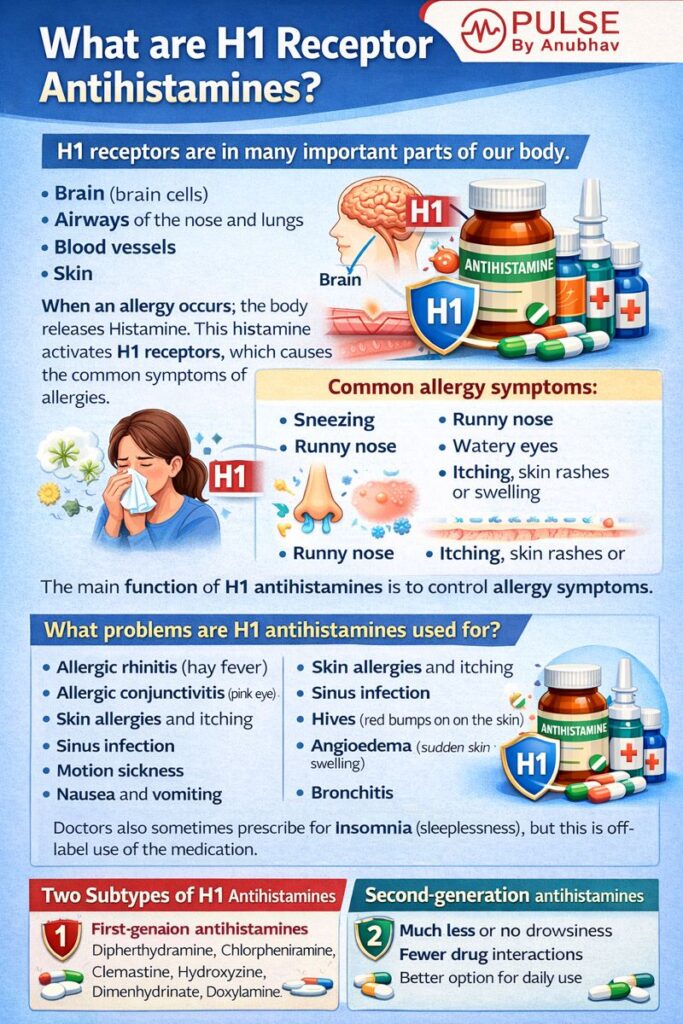
What are H1 Receptor Antihistamines?
H1 receptors are present in many important parts of our body, such as:
- Brain (brain cells)
- Airways of the nose and lungs
- Blood vessels
- Skin
When an allergy occurs, the body releases histamine. This histamine activates H1 receptors, which causes the common symptoms of allergies.
Common allergy symptoms:
- Sneezing
- Runny nose
- Watery eyes
- Itching, skin rashes or swelling
Therefore, the main function of H1 antihistamines is to control allergy symptoms.
What problems are H1 antihistamines used for?
- Allergic rhinitis (hay fever)
- Allergic conjunctivitis (pink eye)
- Skin allergies and itching
- Sinus infection
- Hives (red bumps on the skin)
- Angioedema (sudden skin swelling)
- Bronchitis
- Motion sickness
- Nausea and vomiting
In some cases, doctors also prescribe H1 antihistamines for insomnia (sleeplessness), but this is considered an off-label use.
Two Subtypes of H1 Antihistamines
1️⃣ First-generation antihistamines
These are older generation medicines. They easily cross the blood-brain barrier, which causes more drowsiness.
- More drowsiness
- Risk of dry mouth, dizziness, low blood pressure
- Unsafe to drive or operate machinery
Diphenhydramine, Chlorpheniramine, Clemastine, Hydroxyzine, Dimenhydrinate, Cyproheptadine, Doxylamine
2️⃣ Second-generation antihistamines
These are newer and comparatively safer. They reach the brain less, so they cause less or no drowsiness.
- Less drowsiness
- Fewer drug interactions
- Better option for daily use
Cetirizine, Levocetirizine, Loratadine, Fexofenadine, Desloratadine, Azelastine
What are H2 Receptor Antihistamines?
H2 receptors are mainly located in the stomach, where acid is released. Therefore, H2 antihistamines are not used for allergies, but rather in the treatment of acid and digestive problems.
In which problems are H2 antihistamines prescribed?
- Peptic ulcer
- GERD (acid reflux)
- Gastritis
- Zollinger–Ellison syndrome
They are sometimes also used for indigestion (off-label).
Cimetidine, Famotidine, Nizatidine
OTC (Over-the-Counter) Antihistamines
Many antihistamines are available at pharmacies without a prescription.
- Sedating (first-gen): Diphenhydramine, Chlorpheniramine, Clemastine
- Non-sedating (second-gen): Cetirizine, Fexofenadine, Levocetirizine, Loratadine
In addition, nasal sprays (Azelastine) and eye drops (Ketotifen, Olopatadine) are also available. Some combinations come with an antihistamine + decongestant, for which ID proof may be required in some places.
Prescription Antihistamines
- Azelastine eye drops / nasal spray
- Carbinoxamine
- Cyproheptadine
- Desloratadine
- Hydroxyzine
Which Antihistamine is Best?
Generally, the best antihistamines are those that work for 12–24 hours and do not cause drowsiness.
- Cetirizine
- Levocetirizine
- Fexofenadine
- Loratadine
First-generation medicines are effective, but it is better to take them at night. Elderly people should avoid them because there is a risk of confusion, dry mouth, and urination problems.
Generic vs Brand Antihistamines
- They have the same ingredients
- They work just like brand-name medications
- They are more affordable
- They are just as safe
Best Anti-Histamines Medicine List
Top Antihistamine Brands, Composition, Price & Uses
| Brand Name | Composition | Price (Approx.) | Treats Allergies | Buy Link |
|---|---|---|---|---|
| Zyrtec (Johnson & Johnson) | Cetirizine 10mg | ₹80–120 (10 tablets) | Hay fever, itching, sneezing, skin allergies, allergic rhinitis | 1mg.com |
| Alerid (Cipla) | Cetirizine 10mg | ₹25–40 (10 tablets) | Dust & pollen allergy, hives, watery eyes, skin rashes | Apollo Pharmacy |
| Allegra (Sanofi) | Fexofenadine 120mg / 180mg | ₹200–300 (120mg approx ₹248) | Seasonal allergies, urticaria, non-drowsy allergy relief, nose block | Apollo |
| Fexy (Lupin) | Fexofenadine 120mg / 180mg | ₹150–300 | Allergic rhinitis, skin itching, fast allergy relief | 1mg.com |
| Montair-LC (Cipla) | Montelukast 10mg + Levocetirizine 5mg | ₹350–420 | Asthma-related allergies, severe sneezing, breathing issues | 1mg.com |
| Cetiriz | Cetirizine 10mg | ₹18 | Hay fever, sneezing, runny or itchy nose, watery eyes | Medindia |
| Cetcip | Cetirizine 10mg | ₹20 | Seasonal allergies, rhinitis, hives | Medindia |
| Histacet | Cetirizine 10mg | ₹18.73 | Sneezing, watery eyes, itching relief | Medindia |
| Cetzine | Cetirizine 10mg | ₹27 | Allergic rhinitis and skin allergies | Medindia |
| Zyrtec Syrup | Cetirizine (Liquid form) | ₹36.30 | Kids & adults with sneezing, itching, runny nose | Medindia |
| Alerid-D | Cetirizine + Decongestant | ₹55 | Nasal congestion with allergy symptoms | Mayo Clinic |
Also Read: B.Pharm 4th Semester Pharmaceutical Pharmacology 1 Notes
Side Effects And Precautions of Antihistamines
Side Effects of Antihistamines
Antihistamines are generally considered safe for adults, and most antihistamines are also safe for children over 2 years of age. However, each person’s body reaction may vary.
If you are pregnant, breastfeeding, or want to give an antihistamine to your child, it is essential to consult a doctor or healthcare provider first.
Common Side Effects
- Blurred or changed vision
- Constipation
- Loss of appetite
- Dizziness or lightheadedness
- Drowsiness (excessive sleepiness)
- Dry mouth
- Feeling nervous, excited, or irritable
- Difficulty urinating (if you already have this problem)
Special Precautions Are Necessary If You Have These Problems
- Diabetes
- Enlarged prostate or difficulty urinating
- Epilepsy (seizures)
- Heart disease or high blood pressure
- Glaucoma (increased eye pressure)
- Overactive thyroid
Things to Keep in Mind While Taking Antihistamines
Adults should understand how the medicine affects their body after taking an antihistamine, especially before driving or operating machinery.
If a child is taking an antihistamine, parents should observe whether the medicine is affecting their studies or learning ability.
How to Take Antihistamines
- Some medicines need to be taken with food, some with water
- It is important to apply eye drops, cream, or nasal spray correctly
- The dose depends on age, weight, and the type of medicine
- Some antihistamines are taken once a day, some multiple times
- Some medicines are for long-term use, some only for short-term use
Ye Galtiyan Kabhi Na Karein
- Double dose ya extra dose kabhi na lein
- Time se pehle next dose na lein
- Do alag-alag antihistamines ek saath na lein (jab tak doctor na bole)
- 4 saal se chhote bachchon ko OTC cough-cold antihistamines na dein
- First-generation antihistamines lete waqt driving ya heavy machinery use na karein
When Should You Take Antihistamines?
The best time to take antihistamines depends on the type and severity of your allergy.
- Daily use – for daily allergy control (such as pet allergies)
- Only when symptoms appear – such as for insect bite allergies
- Before exposure to the allergy trigger – such as before visiting someone with a cat
People with environmental allergies often experience more symptoms in the morning, so taking an antihistamine at night can provide relief in the morning.
Antihistamine Overdose
First-generation antihistamines (which cause drowsiness) carry the highest risk of overdose.
An overdose can occur when:
- Too high a dose is taken
- They are taken with sleeping pills or sedatives
Overdose ke Symptoms
- Bahut zyada neend aana
- Hallucinations
- Bahut zyada chidhchidhapan (especially bachchon mein)
- Blurred ya double vision
- Fast heart rate
- Seizures
If you experience these symptoms, call the emergency number immediately or go to the nearest emergency room. A severe overdose can be fatal if not treated promptly.
Also Read: What is an expectorant? Learn when to take which type expectorant.
Frequently Asked Questions (FAQs)
Are antihistamines safe for daily use?
Yes, most second-generation antihistamines like cetirizine, loratadine and fexofenadine are considered safe for daily use. However, long-term use should always be discussed with a doctor or pharmacist.
Can antihistamines cause sleepiness?
First-generation antihistamines can cause drowsiness. Second-generation antihistamines usually do not cause sleepiness, but mild drowsiness can still occur in some people.
Can children take antihistamines?
Most anti-histamines are safe for children above 2 years of age, but the dose and type depend on the child’s age and weight. Always consult a doctor before giving antihistamines to children.
Is it safe to take antihistamines during pregnancy?
If you are pregnant or breastfeeding, you should consult a healthcare provider before taking any anti-histamine, as safety may vary depending on the medicine.
Can I drive after taking an antihistamine?
Driving is not recommended after taking first-generation antihistamines because they can cause sleepiness and slow reaction time. Second-generation antihistamines are usually safer for driving.
What should I do if anti-histamines are not working?
If your allergy symptoms do not improve, or if you are having trouble taking the medicine, you should contact your doctor or pharmacist for further advice.
Can anti-histamines be taken with other medicines?
Some anti-histamines can interact with other drugs. Always inform your doctor or pharmacist about all medicines you are currently taking.
What are the signs of anti-histamine overdose?
Symptoms may include extreme drowsiness, hallucinations, blurred vision, fast heart rate and seizures. In such cases, seek emergency medical help immediately.
4 thoughts on “What are antihistamines? How it works, best medicine and precautions”