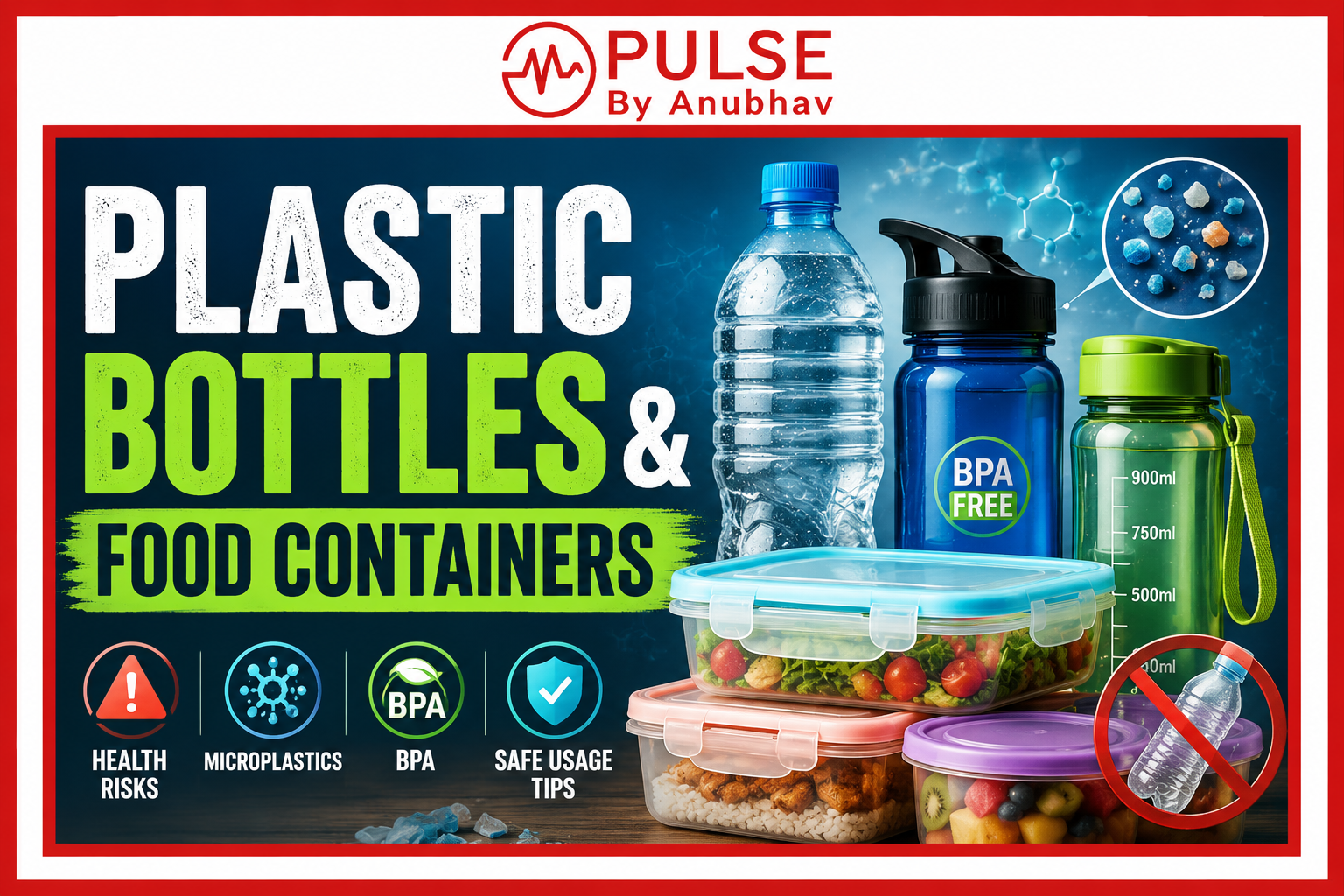
Learn how microplastics in plastic bottles, food, water, and everyday products may affect your health. Discover potential risks, BPA facts, safe plastic usage tips, and ways to reduce exposure.
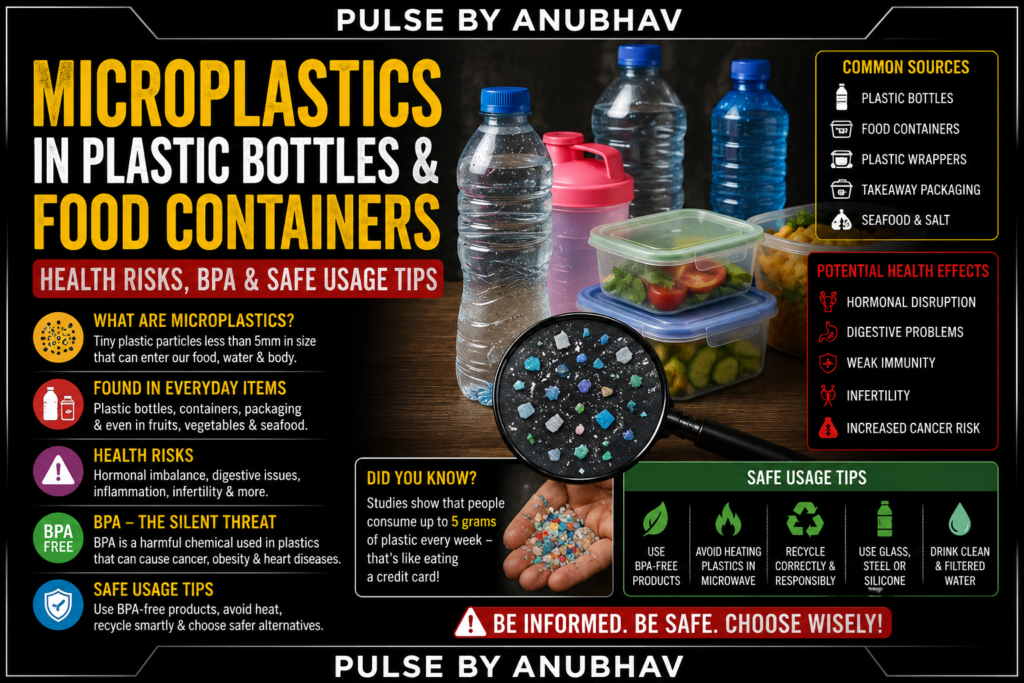
Microplastics are tiny plastic particles found in food, drinking water, bottled water, air, and even human tissues. While scientists continue to study their long-term health effects, research suggests they may be linked to inflammation, oxidative stress, and hormonal disruption. This guide from Pulse by Anubhav explains what microplastics are, where they come from, their potential health risks, and practical tips to reduce daily exposure through safer plastic use and healthier lifestyle choices.
Note: This entire blog content is for educational purposes only and is not medical advice.
Also Read- Infertility: Causes, Symptoms, Diagnosis, Treatment, Types & Prevention Guide
Plastic Bottles & Food Containers: Health Risks, Microplastics, BPA, and Safe Usage Tips
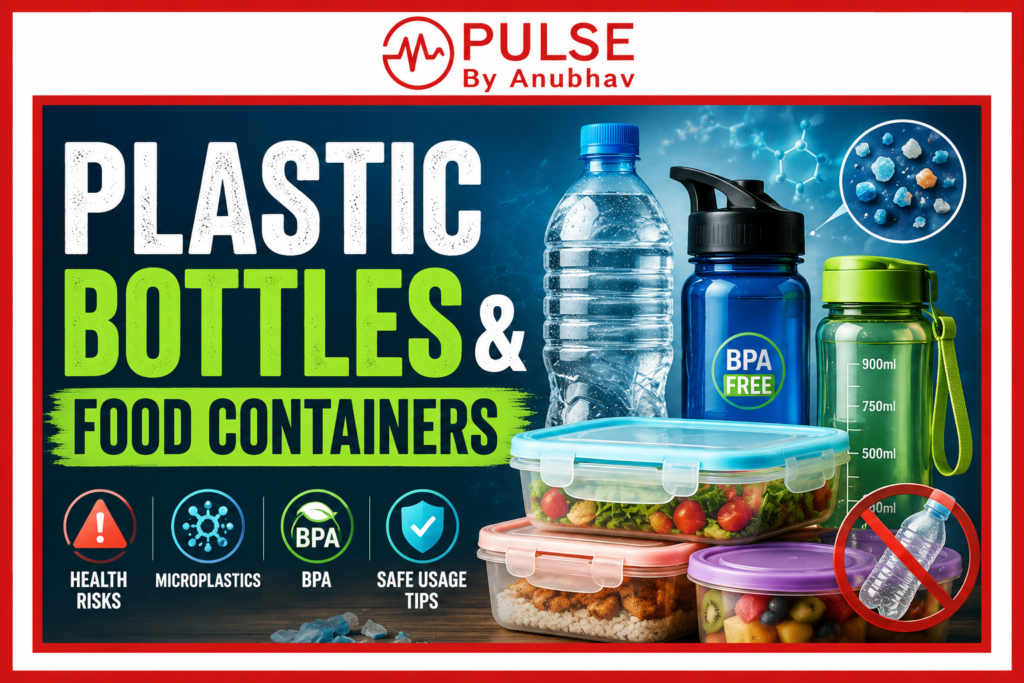
We Use Plastic Every Day… But Are We Using It Safely?
From drinking water and storing leftovers to packing lunch for work or school, plastic bottles and food containers have become an essential part of modern life. Food-grade plastic is generally considered safe when used as intended. However, improper use—such as heating plastic, reusing single-use bottles, or continuing to use scratched and damaged containers—may increase exposure to microplastics and certain chemicals.
Researchers are actively studying how long-term exposure to these substances may affect human health. While many questions remain, adopting safer habits is a practical way to reduce unnecessary exposure.
What Are Microplastics?
Microplastics are tiny plastic particles measuring less than 5 millimeters in size. They are formed when larger plastic products break down over time, although some are intentionally manufactured for industrial or commercial use.
Scientists have detected microplastics in:
- Drinking water
- Bottled water
- Food
- Air
- Seafood
- Table salt
Recent studies have also found microplastics in human blood, lungs, and several other tissues. Although these discoveries have raised concerns, researchers are still investigating what levels of exposure may pose health risks.
Also Read- Alpha Alia Bhatt Movie Review: Twitter Review, Box Office Collection, Cast, Story & Honest Verdict
Potential Health Effects of Microplastics
Current research suggests that long-term exposure to microplastics and certain plastic-related chemicals may be linked to several health concerns. However, many of these findings are still being investigated.
Inflammation
Tiny plastic particles may trigger inflammatory responses in the body, which could contribute to long-term health problems.
Oxidative Stress
Some studies indicate that microplastics may increase oxidative stress, potentially damaging cells and tissues over time.
Hormonal Disruption
Certain chemicals used in plastics, including BPA and phthalates, may interfere with the body’s endocrine system. Scientists are studying their possible effects on:
- Growth and development
- Reproductive health
- Hormone balance
- Pregnancy outcomes
Heart and Blood Vessel Health
Researchers are exploring whether microplastic exposure may contribute to cardiovascular diseases. More evidence is needed before definitive conclusions can be made.
Brain and Nervous System
Scientists are investigating possible links between microplastics and neurological health. Current evidence remains limited and inconclusive.
Immune System
Microplastics may interact with immune cells, but their long-term effects on the immune system continue to be studied.
When Does Plastic Become More Risky?
Plastic may release higher amounts of certain chemicals or tiny plastic particles under specific conditions, including:
- Leaving plastic bottles in direct sunlight
- Keeping water bottles inside a hot vehicle
- Microwaving food in containers that are not labeled microwave-safe
- Pouring boiling-hot food into ordinary plastic containers
- Reusing single-use plastic bottles repeatedly
- Using scratched, cracked, or worn-out plastic containers
Common Mistakes People Make
Many people unknowingly increase their exposure to microplastics through everyday habits, such as:
- Reusing disposable water bottles for months
- Heating food in unsuitable plastic containers
- Drinking from bottles left in the sun or inside a hot car
- Storing very hot or oily foods in ordinary plastic containers
- Continuing to use damaged or discolored plastic containers
How to Reduce Your Exposure to Microplastics
Simple lifestyle changes can help lower unnecessary exposure to microplastics and plastic-related chemicals.
Choose Better Alternatives
Whenever possible, use glass or stainless steel bottles and food containers instead of plastic.
Buy Food-Grade, BPA-Free Products
Choose high-quality food-grade plastic products that are clearly labeled BPA-free.
Heat Food Safely
Only microwave food in containers specifically marked as microwave-safe.
Avoid Excessive Heat
Never leave plastic bottles inside hot cars or under direct sunlight for extended periods.
Replace Damaged Containers
Discard containers that are scratched, cracked, or visibly worn out.
Skip Boiling-Hot Food in Plastic
Allow food to cool slightly before placing it into ordinary plastic containers.
Reduce Single-Use Plastic
Avoid repeatedly reusing disposable plastic bottles and reduce unnecessary dependence on single-use plastics whenever possible.
Why Reducing Plastic Use Also Helps the Environment
Reducing plastic waste benefits both human health and the planet by helping to:
- Reduce environmental pollution
- Protect marine ecosystems
- Lower microplastic contamination
- Support a cleaner and healthier environment for future generations
Everything You Should Know About Microplastics
Microplastics in Humans
Scientists have detected microplastics in humans in several parts of the body, including the blood, lungs, liver, placenta, and reproductive tissues. These tiny plastic particles usually enter the body through contaminated food, drinking water, or the air we breathe.
Finding microplastics inside the human body does not automatically mean they cause disease. However, researchers are actively studying whether long-term exposure may contribute to inflammation, oxidative stress, hormone disruption, or other health concerns.
Microplastics Size
The size of microplastics is one of the main reasons they are difficult to avoid. By definition, microplastics measure less than 5 millimeters in diameter, while some particles become much smaller and are known as nanoplastics.
Because of their tiny size, these particles can easily mix with food, water, household dust, and even the air, making them difficult to see without specialized laboratory equipment.
Microplastics in the Brain
Recent scientific studies have explored whether extremely small plastic particles can reach the brain. Researchers are investigating if nanoplastics may cross protective biological barriers under certain conditions.
Although this area of research is growing rapidly, experts have not yet confirmed the long-term effects of microplastics on brain health. More clinical evidence is needed before drawing firm conclusions.
Microplastics Effects on Humans
Scientists are studying several possible health effects associated with long-term exposure to microplastics. Research suggests they may influence inflammation, oxidative stress, immune responses, and hormone regulation, but many findings are still under investigation.
The overall health impact depends on factors such as the amount of exposure, particle size, chemical composition, and individual health conditions.
Microplastics in Clothes
Many modern clothes are made from synthetic fabrics such as polyester, nylon, acrylic, and spandex. During washing, these materials release tiny plastic fibers that enter wastewater and may eventually reach rivers, lakes, and oceans.
These fibers are among the largest sources of environmental microplastic pollution worldwide.
Microplastics in Food
Microplastics have been detected in a wide variety of foods, including seafood, sea salt, honey, rice, fruits, vegetables, and packaged foods. Contamination can occur during food production, processing, transportation, packaging, or storage.
Researchers continue studying how much of these particles are absorbed by the human body and whether long-term dietary exposure affects overall health.
Microplastics in Water
Microplastics have been identified in bottled water, tap water, rivers, lakes, groundwater, and even rainwater. Tiny plastic particles can enter water sources through plastic waste, synthetic clothing fibers, industrial activities, and environmental degradation.
Water treatment systems remove many contaminants, but some microscopic particles may still remain, which is why reducing plastic pollution remains important.
Microplastics Journal
If you want reliable information about microplastics, always refer to peer-reviewed scientific journals rather than social media posts or unverified claims. Medical and environmental researchers regularly publish new findings as evidence continues to evolve.
Reading research from trusted journals helps separate scientific facts from misinformation and provides a balanced understanding of current knowledge.
Can Microplastics Cause Diseases?
Researchers have found microplastics in human blood, lungs, placenta, and other tissues. However, no disease has been officially confirmed to be caused solely by microplastics. Scientists are still studying whether long-term exposure increases the risk of certain health conditions.
Health Conditions Being Investigated
- Chronic inflammation
- Oxidative stress
- Hormonal (endocrine) disruption
- Reduced fertility and reproductive health problems
- Cardiovascular disease risk
- Digestive system inflammation
- Immune system changes
- Possible neurological effects (still under research)
Possible Symptoms (Not Specific to Microplastics)
- Persistent fatigue
- Digestive discomfort or bloating
- Chronic inflammation
- Hormonal imbalance symptoms
- Reduced fertility
- General oxidative stress at the cellular level
Important: These symptoms can occur for many different medical conditions and should not be assumed to be caused by microplastics.
Treatment
There is currently no approved treatment or detox therapy that removes microplastics from the human body. Doctors treat any diagnosed medical condition according to its specific cause rather than treating “microplastics” directly.
- Treat the diagnosed illness.
- Reduce ongoing exposure to microplastics.
- Maintain a healthy diet rich in fruits, vegetables, and fiber.
- Exercise regularly and stay hydrated.
- Avoid smoking and unnecessary exposure to plastic-related pollutants.
Are There Any Medicines?
No. There are currently no FDA- or CDSCO-approved medicines that can remove microplastics from the body or cure microplastic exposure.
Medicines may be prescribed only if a person has another diagnosed condition such as asthma, hormonal disorders, heart disease, or digestive illness, but these medications do not remove microplastics.
- Drink filtered water whenever possible.
- Use glass or stainless-steel bottles.
- Avoid heating food in ordinary plastic containers.
- Reduce single-use plastic consumption.
- Choose fresh foods over heavily packaged products.
Final Thoughts
Plastic itself is not the problem—how we use it makes the biggest difference.
Using food-grade plastic correctly, avoiding unnecessary heat exposure, replacing damaged containers, and limiting the reuse of disposable bottles are simple habits that can help reduce potential exposure to microplastics.
At Pulse by Anubhav, we believe that informed choices lead to healthier lives. While scientists continue researching the long-term effects of microplastics, following safe everyday practices is a smart step for both your health and the environment.
Also Read- Brain Fog Explained: 9 Hidden Causes, Symptoms & How To Clear Your Mind
I appreciate, cause I found exactly what I was looking for. You’ve ended my 4 day long hunt! God Bless you man. Have a nice day. Bye