
Painkillers give quick relief, but frequent use may cause serious side effects. Know their benefits, risks, safe use and important precautions.
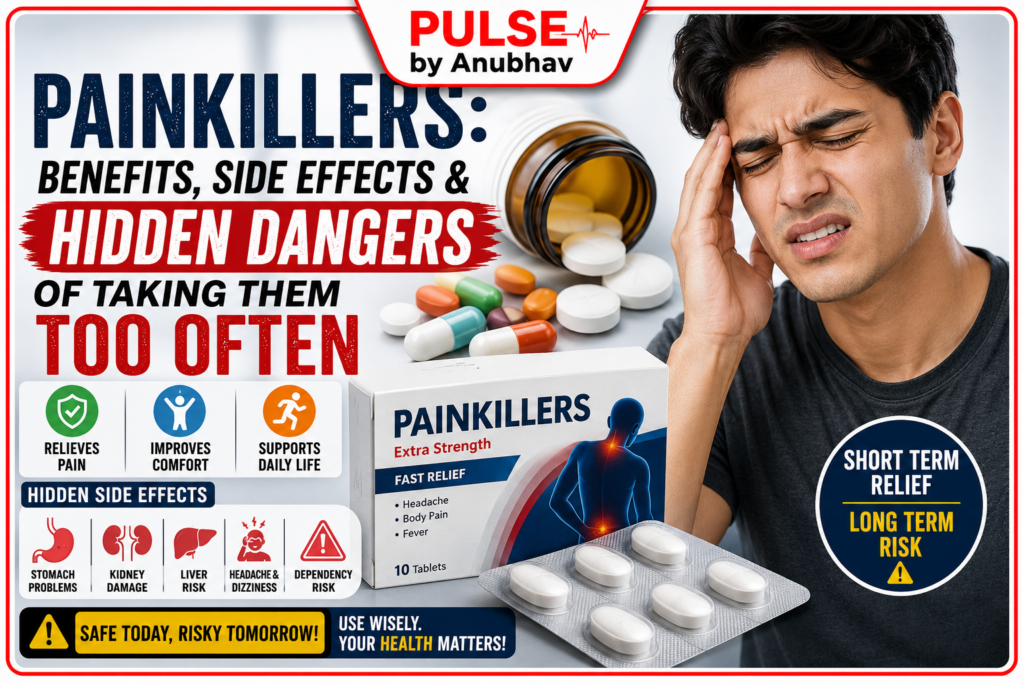
Painkillers are commonly used to manage headaches, toothaches, muscle pain, fever, period cramps and inflammation. Medicines such as paracetamol and ibuprofen can provide effective relief when used appropriately, but no painkiller is completely free from side effects. Frequent or excessive use may affect the stomach, liver, kidneys or heart, depending on the medicine. Pulse by Anubhav explains how painkillers work, their risks, precautions and why recurring pain should not be ignored.
Also read- Galaxy F70 Pro 5G India Launch Teased: Samsung Confirms Flipkart Availability
Note: This entire blog content is for educational purposes only and is not medical advice.
💊 Are You Taking Painkillers Too Often? The Hidden Dangers Everyone Should Know!

Headache before an exam? 🤯 Back pain after work? 😫 Period cramps? Toothache? 🦷 Or muscle pain after the gym? 💪
For many of us, the first instinct is simple — take a painkiller and get quick relief.
Painkillers can be extremely useful when taken correctly. They can reduce pain, control fever, and help us get back to our normal routine. But what happens when taking painkillers becomes a regular habit rather than an occasional necessity?
Frequent, excessive, or inappropriate use of certain painkillers can affect the stomach, kidneys, liver, and cardiovascular system. In some cases, repeatedly suppressing pain can also hide an underlying health problem that actually needs treatment.
So, before you reach for another tablet, it is worth understanding how painkillers work, their benefits, possible risks, and how to use them more safely.
🔥 Think Twice Before Taking That Painkiller
Pain is uncomfortable, but it also serves an important purpose. It can be your body’s way of telling you that something isn’t right.
Taking a painkiller occasionally for a headache or minor injury may be appropriate, but repeatedly taking medicines without understanding why the pain keeps returning isn’t always a good idea.
Pain relief should not come at the cost of your long-term health.
💊 What Are Painkillers?
Painkillers, also known as analgesics, are medicines used to reduce or control pain. Depending on the medicine, they may also help lower fever or reduce inflammation.
Some commonly used painkillers include:
- ✅ Paracetamol (Acetaminophen)
- ✅ Ibuprofen
- ✅ Diclofenac
- ✅ Naproxen
- ✅ Aspirin
These medicines work in different ways and do not all carry the same risks.
Most importantly, a painkiller may reduce the symptom of pain without necessarily treating the condition causing it. If pain keeps returning, proper medical evaluation may be more important than repeatedly suppressing it.
Also Read- Infertility: Causes, Symptoms, Diagnosis, Treatment, Types & Prevention Guide
✅ What Are the Benefits of Painkillers?
When used appropriately and for the recommended duration, painkillers can provide significant relief.
✔️ Quick Pain Relief: They can help manage headaches, toothaches, muscle pain, joint pain, menstrual cramps, and pain from minor injuries.
✔️ Reduce Fever: Medicines such as paracetamol and ibuprofen can also be used to reduce fever when appropriate.
✔️ Reduce Inflammation: NSAIDs such as ibuprofen, diclofenac, and naproxen can reduce both pain and inflammation.
✔️ Support Daily Activities: Effective pain management can make it easier to sleep, move, work, and recover after certain illnesses, injuries, or medical procedures.
✔️ Improve Quality of Life: Appropriate pain relief can help people return to normal activities more comfortably while the underlying problem is being treated or healing.
⚠️ Hidden Risks of Taking Painkillers Too Frequently
Taking painkillers more often than recommended, using high doses, combining medicines incorrectly, or taking them for long periods without medical supervision can increase the risk of side effects.
Here are some important risks you should know.
1️⃣ Stomach Irritation, Ulcers & Bleeding 🩸
NSAIDs such as ibuprofen, diclofenac, naproxen, and aspirin can irritate the stomach and gastrointestinal tract.
Frequent or prolonged use may increase the risk of:
- Acidity or indigestion
- Heartburn
- Gastritis
- Stomach or intestinal ulcers
- Gastrointestinal bleeding
The risk can be higher in older adults, people with a previous ulcer, those taking certain other medicines, and people using higher doses or NSAIDs for longer periods.
2️⃣ Kidney Problems 🩺
Your kidneys play an important role in filtering waste and maintaining fluid balance.
NSAIDs can reduce blood flow to the kidneys in some situations. This can become particularly risky with dehydration, prolonged use, higher doses, or existing kidney problems.
People who may need extra caution include those with:
- Kidney disease
- Diabetes
- High blood pressure
- Heart disease
- Older age
- Dehydration
Possible warning signs of kidney problems can include swelling, reduced urine output, unusual tiredness, or shortness of breath.
Also Read- Microplastics in Plastic Bottles & Food Containers: Health Risks, BPA, and Safe Usage Tips
3️⃣ Liver Damage 🧬
Paracetamol is generally considered safe when used according to recommended dosing instructions, but taking too much can cause serious liver injury.
One common problem is accidentally taking multiple medicines that contain paracetamol at the same time. Some cold, flu, headache, and combination medicines may already contain it.
Always check the active ingredients on the label and never exceed the recommended dose.
4️⃣ Heart & Blood Pressure Risks ❤️
Some NSAIDs can increase blood pressure and may increase cardiovascular risks in certain people, particularly when used at higher doses or for longer periods.
Possible concerns include:
- Increased blood pressure
- Fluid retention
- Worsening heart failure
- Increased risk of heart attack or stroke in susceptible individuals
People with existing cardiovascular disease should discuss regular NSAID use with a healthcare professional.
5️⃣ Medication-Overuse Headache 🤯
Here’s the surprising part: taking painkillers too frequently for headaches can sometimes lead to even more headaches.
This condition is known as medication-overuse headache.
A person may take medicine to stop a headache, experience temporary relief, and then develop another headache later. Frequent use can create a repeating cycle that may become difficult to manage without proper medical guidance.
6️⃣ Allergic Reactions 🚨
Although uncommon, painkillers can cause allergic or hypersensitivity reactions in some people.
Symptoms may include:
- Skin rash
- Itching
- Hives
- Swelling of the lips, tongue, or face
- Wheezing
- Difficulty breathing
Severe breathing difficulty or facial/throat swelling requires urgent medical attention.
7️⃣ Painkillers Can Mask Serious Health Problems ⚠️
Pain is sometimes an important warning signal from your body.
Repeatedly suppressing unexplained pain may delay diagnosis of conditions such as:
- Appendicitis
- Gallstones
- Kidney stones
- Bone fractures
- Serious infections
- Certain other underlying diseases
This does not mean every recurring pain is serious. However, persistent, unexplained, or worsening pain deserves proper medical evaluation rather than continuous self-medication.
8️⃣ Painkiller Drug Interactions 💊
Painkillers can interact with prescription medicines, over-the-counter products, and even some supplements.
Depending on the specific painkiller, important interactions may occur with medicines such as:
- Blood thinners
- Blood pressure medicines
- Steroids
- Certain antidepressants
- Diuretics
- Other painkillers
Always tell your doctor or pharmacist about the medicines and supplements you already use before starting regular painkiller use.
9️⃣ Painkillers During Pregnancy 🤰
Not every painkiller is suitable during pregnancy, and safety can vary depending on the medicine, dose, and stage of pregnancy.
Some NSAIDs require particular caution and may need to be avoided during certain stages of pregnancy.
If you are pregnant or trying to conceive, consult a qualified healthcare professional before taking painkillers regularly.
🔟 Can Painkillers Become a Habit?
Common non-opioid painkillers such as paracetamol and ibuprofen do not cause addiction in the same way opioid medicines can.
However, people can still develop a pattern of reaching for painkillers whenever they experience even minor discomfort.
This habit can lead to unnecessary medicine exposure and, more importantly, may delay identifying why the pain keeps occurring.
Also read- Intermittent Fasting: Benefits, Risks, Methods & Is It Really Healthy?
🚫 Common Painkiller Mistakes You Should Avoid
Many problems happen not because painkillers are inherently “bad,” but because they are used incorrectly.
Avoid these common mistakes:
❌ Taking painkillers every day without medical advice
❌ Increasing the dose because the pain feels severe
❌ Combining different painkillers without checking if it is safe
❌ Using another person’s prescription medicine
❌ Taking NSAIDs without considering stomach, kidney, or heart conditions
❌ Drinking excessive alcohol while using certain pain medicines
❌ Taking multiple products containing the same active ingredient
❌ Ignoring pain that repeatedly returns or becomes worse
🌿 Can Mild Pain Be Managed Without Painkillers?
Depending on the cause of pain, simple non-drug measures may sometimes provide relief.
You can consider:
- ✅ Staying properly hydrated
- ✅ Getting adequate sleep
- ✅ Gentle stretching
- ✅ Regular, appropriate physical activity
- ✅ Maintaining good posture
- ✅ Using hot or cold compresses when appropriate
- ✅ Managing stress through relaxation or meditation
- ✅ Eating a balanced diet rich in fruits, vegetables, whole grains, and healthy fats
However, natural or lifestyle approaches should not replace medical evaluation when pain is severe, persistent, unexplained, or associated with concerning symptoms.
💊 Which Is the Best Painkiller? Quick Comparison
Searching for the best painkiller? The answer depends on what is causing your pain. A medicine suitable for a simple headache may not be the right choice for inflammation, arthritis or another medical condition.
1. 💊 Paracetamol
Common Pain Reliever2. 💊 Ibuprofen
NSAID3. 💊 Diclofenac
Use With Medical Advice4. 💊 Naproxen
Medical Guidance Recommended5. 💊 Aspirin
Special Precautions| Painkiller | Pain Relief | Fever | Inflammation | Main Concern |
|---|---|---|---|---|
| Paracetamol | ✓ | ✓ | Minimal | Liver toxicity in overdose |
| Ibuprofen | ✓ | ✓ | ✓ | Stomach/kidney risks |
| Diclofenac | ✓ | — | ✓ | GI, kidney & cardiovascular risks |
| Naproxen | ✓ | ✓ | ✓ | GI/kidney risks |
| Aspirin | ✓ | ✓ | ✓ | Bleeding & GI risks |
Also Read- Sheet Masks: Are They Really Good for Your Skin? Benefits, Risks & Hidden Ingredients
🚨 When Should You See a Doctor?
Don’t simply keep taking painkillers if your body keeps telling you something is wrong.
Consider seeking medical advice if:
- ✔️ Pain persists or repeatedly returns
- ✔️ Pain suddenly becomes severe or unusual
- ✔️ You find yourself needing painkillers very frequently
- ✔️ You notice black, tarry stools or vomit blood
- ✔️ Your skin or eyes become yellow
- ✔️ Your urine output significantly decreases
- ✔️ You experience chest pain or difficulty breathing
- ✔️ You develop facial swelling or symptoms of a severe allergic reaction
- ✔️ Pain follows a serious injury
Severe symptoms such as difficulty breathing, vomiting blood, significant bleeding, or sudden severe chest pain require urgent medical attention.
📌 Tips for Safer Painkiller Use
A few simple precautions can reduce unnecessary risks:
✔️ Use painkillers only when appropriate
✔️ Follow the medicine label or your healthcare provider’s instructions
✔️ Use the lowest effective dose for the shortest appropriate duration
✔️ Never exceed the recommended maximum dose
✔️ Check active ingredients before combining medicines
✔️ Avoid prolonged self-medication
✔️ Discuss regular painkiller use with a doctor or pharmacist
✔️ Keep all medicines safely away from children
✔️ Seek medical advice when pain persists or keeps returning
Best Pain Killer Tablet Without Side Effects – Is There One?
If you are searching for the best pain killer tablet without side effects, there is one important fact to understand first: no painkiller can be guaranteed to be completely free from side effects.
Paracetamol (acetaminophen) is commonly used for mild-to-moderate pain and fever. When used correctly at recommended doses, it is generally well tolerated by many people.
However, that does not make paracetamol “side-effect-free.” Taking too much can cause serious liver injury, and it may not be appropriate for everyone.
Paracetamol is commonly used for headaches, toothache and other mild-to-moderate pain when appropriate.
NSAIDs such as ibuprofen may reduce both pain and inflammation, but they carry stomach, kidney and cardiovascular precautions.
Frequently returning pain should be evaluated rather than repeatedly treated with painkillers on your own.
For educational purposes only. Consult a doctor or pharmacist for persistent pain or medicine-specific advice.
❤️ Final Thoughts — Pain Relief Shouldn’t Hide the Real Problem
Painkillers are useful medicines, not something we need to fear. When taken correctly, they can safely and effectively manage many types of short-term pain.
The problem begins when painkillers become an automatic response to every headache, backache, toothache, or other recurring pain.
If you constantly find yourself reaching for another tablet, ask an important question:
Why does the pain keep coming back?
Finding and treating the underlying cause can be far more important than temporarily masking the symptom.
Remember: Painkillers can relieve pain, but they don’t always cure the problem causing it.
Use medicines responsibly, read labels carefully, and seek professional medical advice when pain persists.
At Pulse by Anubhav, our goal is simple — helping you understand everyday medicines and health topics in clear, practical language so you can make more informed health decisions.
Disclaimer: This article is for general educational and informational purposes only. It is not a substitute for professional medical advice, diagnosis, or treatment. Always consult a qualified healthcare professional regarding persistent pain or before making changes to your medicines.
Also Read- Who Is Simran Behl? Playground Season 5 Star’s Age, Height, Family, Biography & Career
Frequently Asked Questions About Painkillers
Quick answers to common questions about painkillers, their uses, side effects and safer use.
1. What are painkillers?
2. Which is the best painkiller?
3. What is the best pain killer tablet without side effects?
4. Is paracetamol a painkiller?
5. Which is better: paracetamol or ibuprofen?
6. Is it safe to take painkillers every day?
7. Can painkillers damage the kidneys?
8. Can painkillers damage the liver?
9. Can painkillers cause stomach ulcers?
10. Can I take painkillers on an empty stomach?
11. Can taking too many painkillers cause headaches?
12. When should I see a doctor for pain?
This content is for general educational purposes and is not a substitute for professional medical advice, diagnosis or treatment.
Good blog! I really love how it is simple on my eyes and the data are well written. I am wondering how I could be notified whenever a new post has been made. I have subscribed to your RSS which must do the trick! Have a great day!