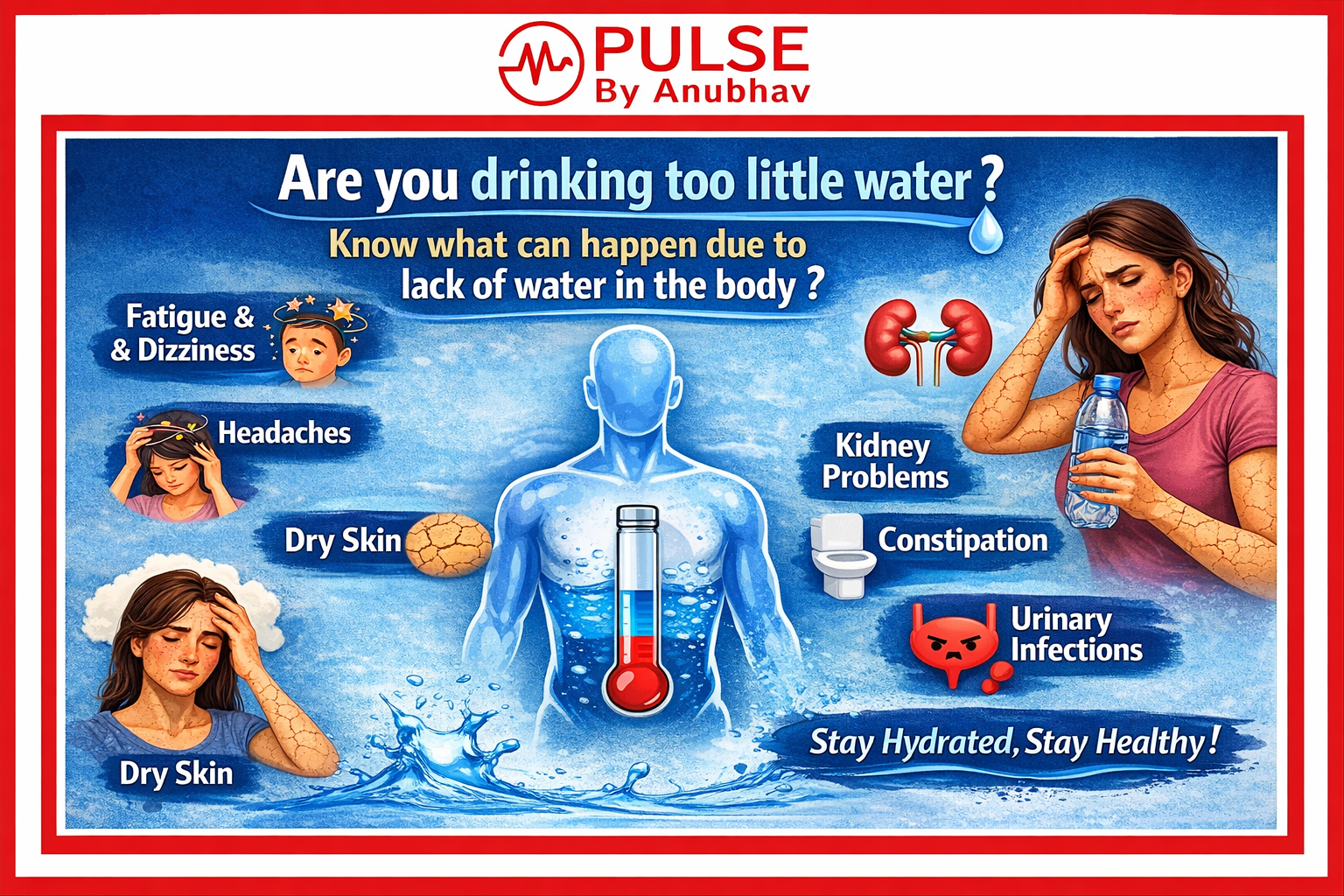
This post is for those who drink less water often You will get to know a lot about dehydration.
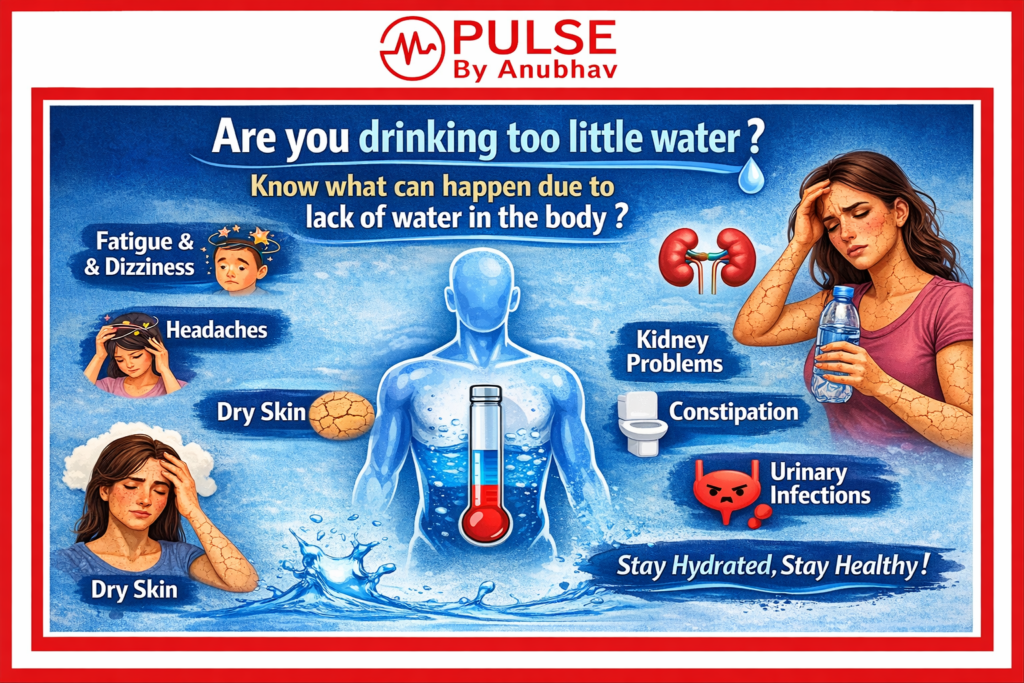
Are you also one of those people who remain busy the whole day and forget to drink water? Or do you drink water only when you feel very thirsty? If yes, then perhaps your body is silently suffering from dehydration.
The truth is, dehydration doesn’t just happen in the heat or after exercise—it can slowly develop during daily routines. And when the body lacks water, its effects aren’t limited to thirst alone. Everything from energy levels to digestion, skin, brain function, and kidney health is impacted.
Let’s understand what dehydration can do to your body if you don’t drink enough water.
Note: This entire blog content is for educational purposes only and is not medical advice.
Also Read- What Is the HPV Vaccine? How Dangerous Is the Human Papillomavirus
What Is Dehydration?
Dehydration occurs when our body cannot replace the water it loses. Simply put, dehydration is a condition when the body lacks water.
Approximately 60% of our body is made up of water. This water isn’t just for quenching thirst—it regulates body temperature, carries nutrients to cells, aids digestion, and helps flush out toxins.
Dehydration can develop when you don’t drink enough water, or when your body loses too much fluid due to sweating, vomiting, diarrhea, or excessive heat.
The most important thing is that dehydration doesn’t always happen suddenly. Sometimes it starts gradually during daily routine, and we don’t realize it until symptoms become visible.
Effects of Dehydration: What can happen if you don’t drink water?
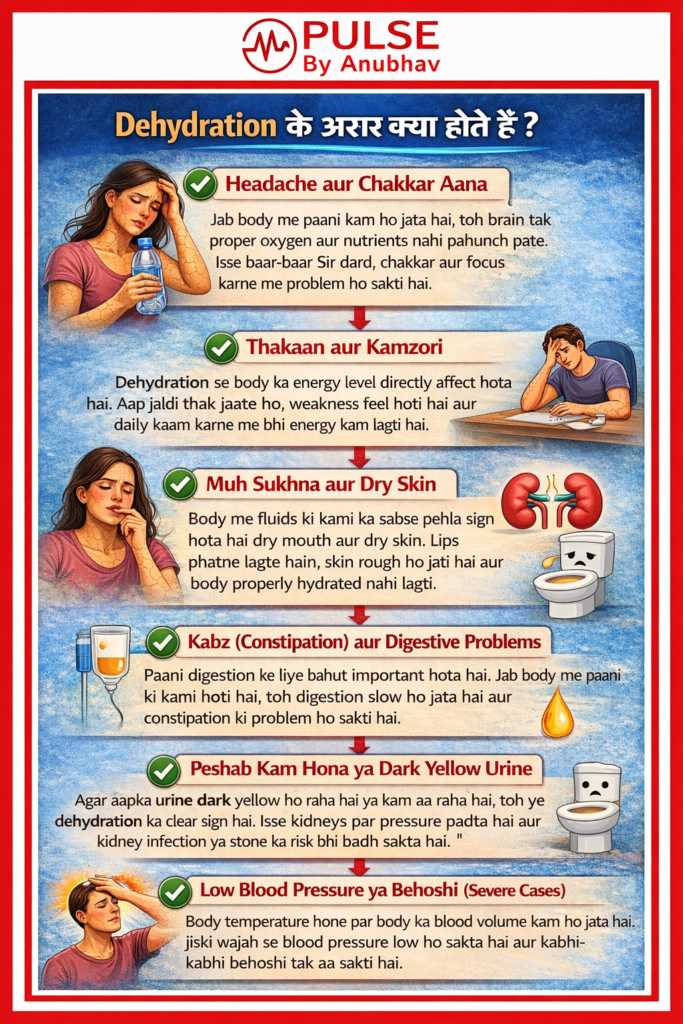
If you don’t drink enough water regularly, your body can become dehydrated. This may seem like a minor problem at first, but it gradually impacts your entire body. Let’s take a look at the problems that can arise from a lack of water.
1. Headaches and Dizziness
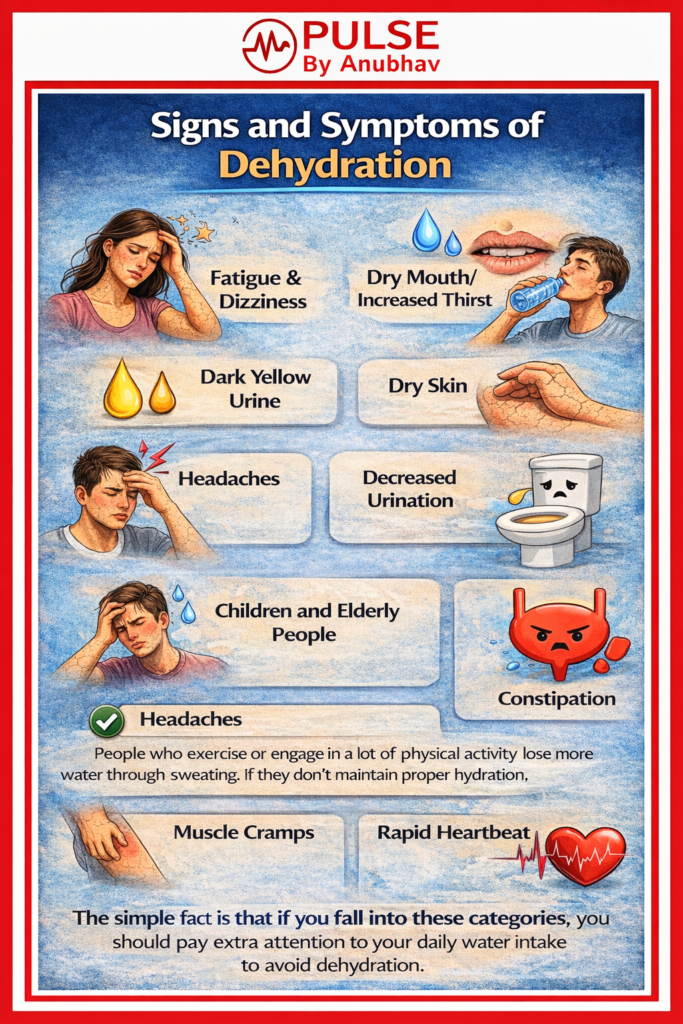
When the body lacks water, the brain doesn’t receive enough oxygen and nutrients. This can cause frequent headaches, dizziness, and difficulty concentrating.
2. Fatigue and Weakness
Dehydration directly affects the body’s energy levels. You get tired quickly, feel weak, and lack the energy to perform even daily tasks.
3. Dry Mouth and Dry Skin
The first signs of fluid loss are dry mouth and dry skin. Lips become chapped, skin turns rough, and the body doesn’t feel properly hydrated.
4. Constipation and Digestive Problems
Water is essential for smooth digestion. Without enough fluids, digestion slows down and constipation can occur.
5. Dark Yellow or Decreased Urine
Dark yellow or reduced urination is a clear sign of dehydration. It puts pressure on the kidneys and increases the risk of infection or stones.
6. Low Blood Pressure or Fainting
Severe dehydration lowers blood volume, which can result in low blood pressure and sometimes even fainting.
7. Risk of Heat Stroke
Water helps regulate body temperature. Without proper hydration, the risk of heat exhaustion and heat stroke increases, especially in summer.
Who Is More at Risk of Dehydration?
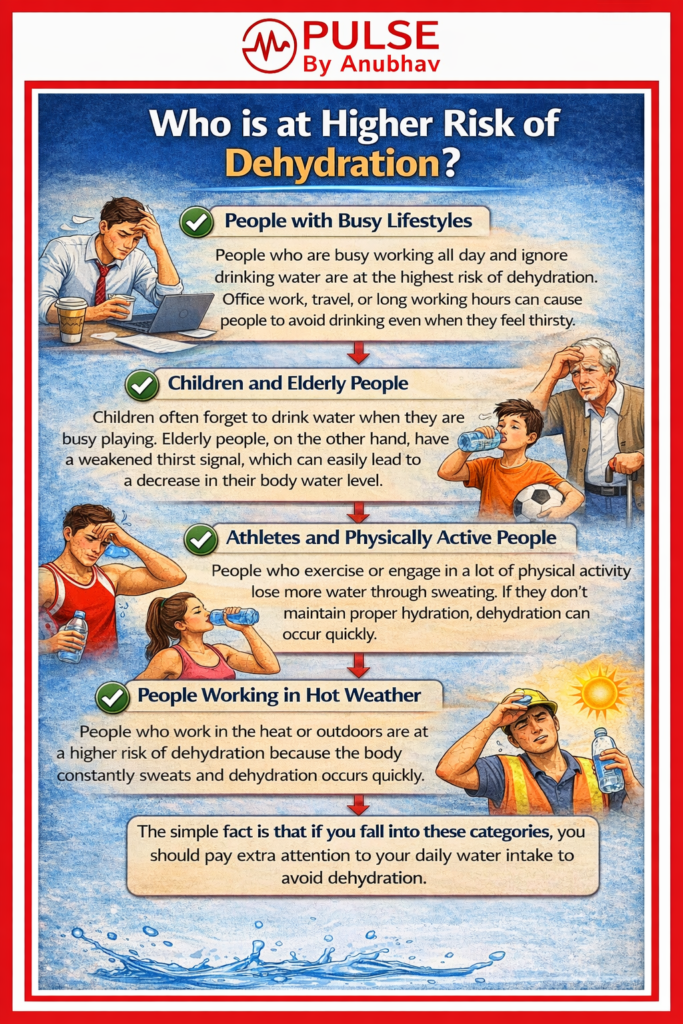
Dehydration can happen to anyone, but some people are at higher risk. Daily lifestyle, age, and environment also play an important role.
👉 People with Busy Lifestyles
People who remain busy working all day often ignore drinking water. Office work, travel, or long working hours make them skip hydration even when they feel thirsty, increasing their risk of dehydration.
👉 Children and Elderly People
Children frequently forget to drink water while playing. Elderly people usually have a weaker thirst signal, which can easily reduce their body’s water level.
👉 Athletes and Physically Active People
People who exercise or perform intense physical activities lose more fluids through sweating. Without proper hydration, dehydration can develop quickly.
👉 People Working in Hot Weather
People working outdoors or in hot environments are at higher risk because the body continuously loses water through sweating.
Signs and Symptoms of Dehydration
Dehydration doesn’t reach a serious stage all of a sudden—your body often starts showing some warning signs. If you recognize these symptoms early, dehydration can be easily prevented.
Also Read- Class 12 English Flamingo Notes (Chapter Wise) – CBSE Guide
How Much Water Should You Drink Daily?
Ab sabse important sawaal — roz kitna paani peena chahiye taaki dehydration na ho?
The truth is, the exact amount isn’t the same for everyone. It depends on your age, body weight, weather, and daily activity level. But a general guideline can be followed.
👉 Average Recommendation
A healthy adult should drink about 2–3 liters of water daily, which equals roughly 8–10 glasses.
👉 If You’re More Active
Exercise or heavy work increases fluid loss through sweat, so your body needs extra water.
👉 Increase Intake in Summer
Hot weather causes more sweating, so slightly increase your daily water intake.
👉 Follow a Simple Rule
Light yellow urine means proper hydration. Dark yellow signals you need more water.
Simple Ways to Prevent Dehydration
Avoiding dehydraation isn’t difficult. Simply adding a few simple habits to your daily routine can help keep your body properly hydrated.
Drink Water Regularly
Don’t wait for thirst. Drink small amounts of water throughout the day to prevent dehydration.
Always Carry a Water Bottle
Keeping a bottle nearby helps you remember to drink water during work, travel, or outdoor activities.
Eat Water-Rich Foods
Include fruits and vegetables like watermelon, cucumber, and oranges to stay hydrated.
Set Water Reminders
Use phone reminders to maintain your daily water intake if you’re busy.
Check Your Urine Color
Light yellow urine indicates proper hydration, while dark yellow signals you need more water.
Increase Intake in Heat or Exercise
Drink extra water during hot weather or physical activity to replace lost fluids.
Also Read- Aditi Bhatia Biography, Instagram Photos & The Kerala Story 2 Movie Review
Best Medicines for Dehydration: ORS, Tablets, and Medical Treatment Explained
💊 Medicines for Dehydration
Professional Guidance by Pulse by Anubhav
✅ ORS Solution (First Treatment – Most Important)
Electral ORS, Prolyte ORS, Cipla ORS
Helps balance water and essential salts in the body. It is the primary treatment for mild to moderate dehydration. Technically, it is more of a treatment than a medicine.
✅ Zinc Tablets (If Dehydration is Due to Loose Motions)
Zincovit / Zinc Tablets (Doctor Recommended)
Helps control diarrhea and supports faster recovery. Mostly used in children and should be taken only with medical advice.
✅ Vomiting Control Medicines
Ondansetron-type Medicines (Doctor Prescribed)
Used to control vomiting so the body can retain fluids and prevent further dehydration.
✅ IV Fluids / Glucose Drip (Severe Dehydration)
Given in hospitals when a patient cannot drink water. Used in cases of severe weakness, confusion, or low blood pressure.
⭐ Simple Understanding
Mild dehydration → ORS and fluids are usually enough.
Loose motion or vomiting → Doctor may prescribe additional medicines.
Severe dehydration → Hospital treatment is required.
📚 Pharmacy & Medicine Notes
For pharmacy and medicine notes, join our Telegram channel.
Join Here → Pulse Pharma Notes
Stay connected with Pulse by Anubhav for trusted pharmacy knowledge.
Also Read- Shefali Bagga’s official statement on her relationship with Yuzvendra Chahal
12 thoughts on “Not Drinking Enough Water? Discover the Effects of Dehydration on Your Body”