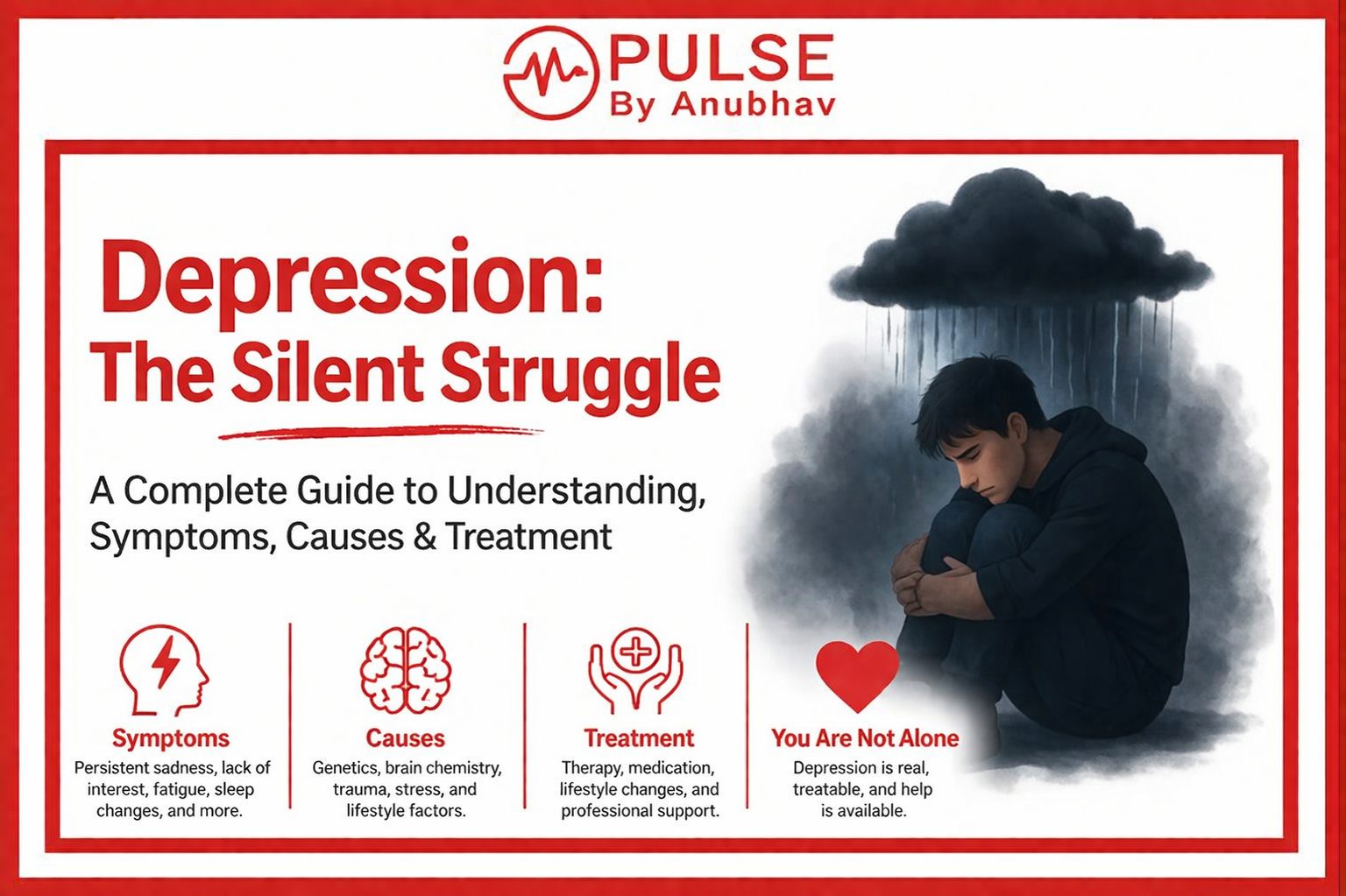
Depression: The Silent Battle Within 🌿 — a complete guide to understanding Depression and how it quietly affects the mind and life every day.
Depression is a common and serious mental health disorder that negatively affects how a person feels, thinks, and behaves. Unlike normal sadness, which is temporary, depression is persistent and can last for weeks, months, or even years.
It impacts emotional🙍🏻♀️ well-being, physical health, and daily functioning. People with depression often find it difficult to carry out routine activities such as studying, working, or maintaining relationships.
Note: This entire blog content is for educational purposes only and is not medical advice.
Also Read- Dry Skin? Let’s Fix That Glow! 💁🏻♀️ | Causes, Symptoms & Effective Care Guide
🧠 What is Depression?
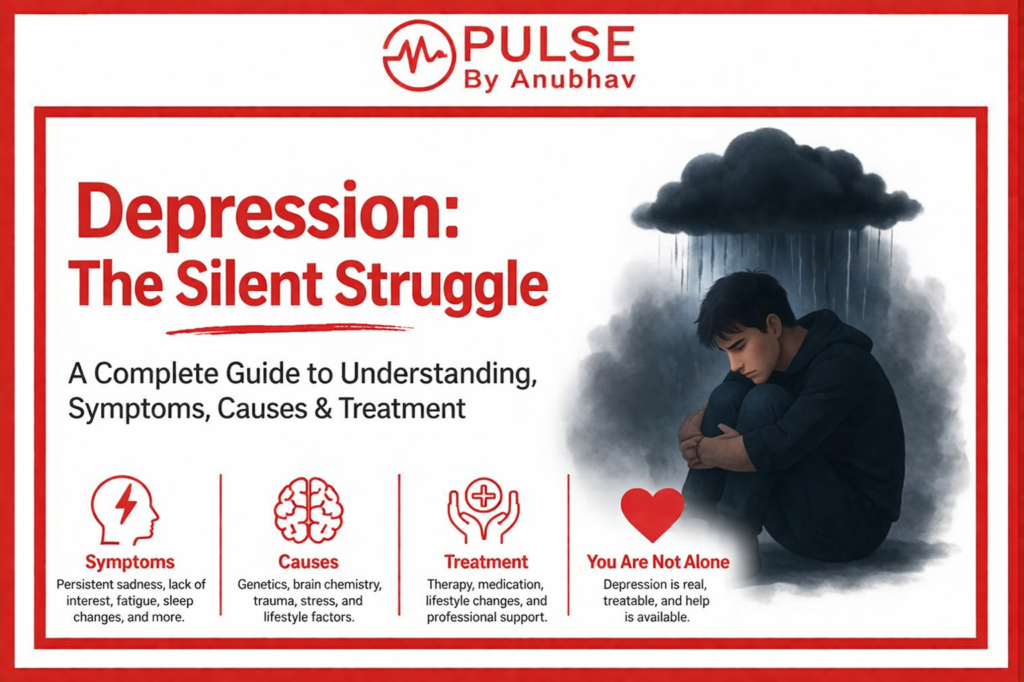
Depression is a serious mental health condition that affects how a person thinks, feels, and behaves in daily life. It is not just about feeling sad for a short time, but a deep and long-lasting feeling of sadness, emptiness, or hopelessness that does not easily go away. People dealing with Depression often lose interest in activities they once enjoyed, feel tired all the time, and may struggle to focus or make decisions.
Depression can also affect physical health. A person may experience changes in sleep patterns, like sleeping too much or too little, and changes in appetite, leading to weight gain or loss. Simple tasks can start to feel overwhelming, and even getting through the day can become a challenge.
This condition can be caused by different factors, including stress, personal problems, trauma, or even chemical imbalances in the brain. Everyone’s experience with Depression is different, but one thing is common — it silently impacts a person’s life from within.
The good news is that Depression is treatable. With the right support, therapy, and lifestyle changes, people can manage their symptoms and start feeling better over time.
📊 Types of Depression
Depression is not a single condition—it has different forms:
1️⃣ Major Depressive Disorder (MDD)
- Severe symptoms lasting at least 2 weeks
- Interferes significantly with daily life
- Episodes may occur once or multiple times
2️⃣Persistent Depressive Disorder (Dysthymia)
- Long-term, chronic depression lasting 2 years or more
- Symptoms are less severe but more continuous
3️⃣ Postpartum Depression
- Occurs in women after childbirth
- Includes mood swings, anxiety, and exhaustion
4️⃣ Seasonal Affective Disorder (SAD)
- Linked to seasonal changes (usually winter)
- Reduced sunlight affects mood-regulating hormones
5️⃣ Bipolar Depression
- Occurs as part of bipolar disorder
- Alternates between depressive and manic episodes
⚠️ Causes of Depression
Depression is caused by a combination of biological, psychological, and social factors:
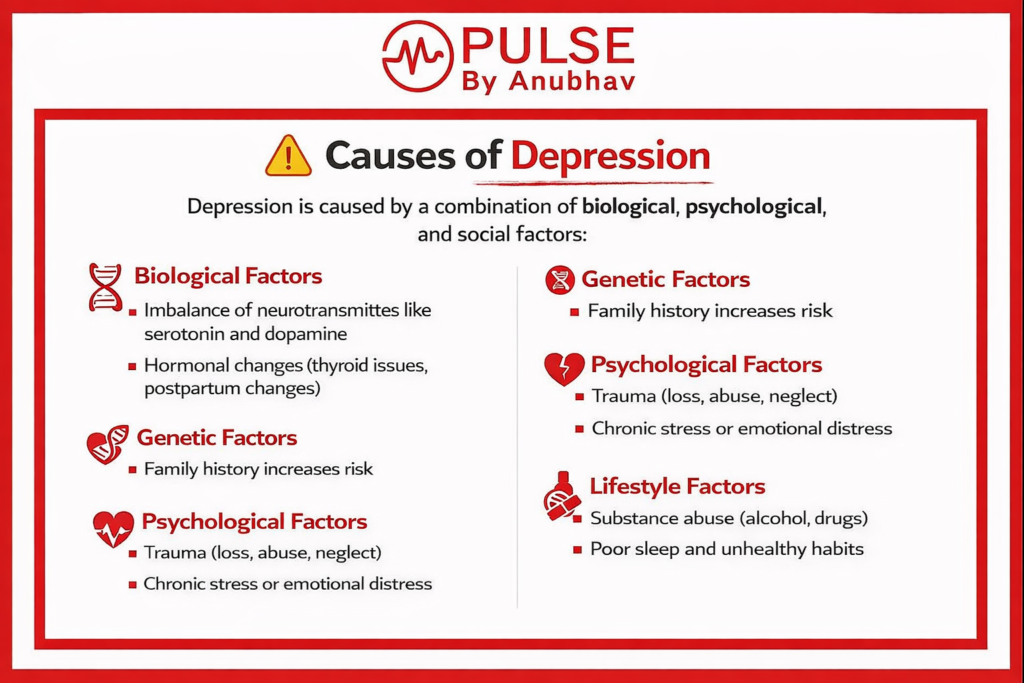
🧬 Biological Factors
Imbalance of neurotransmitters like serotonin and dopamine
Hormonal changes (thyroid issues, postpartum changes)
🧬 Genetic Factors
Family history increases risk
💔 Psychological Factors
Trauma (loss, abuse, neglect)
Chronic stress or emotional distress
🏥 Medical Conditions
Chronic illnesses (diabetes, cancer, heart disease
Certain medications
🚫 Lifestyle Factors
Substance abuse (alcohol, drugs)
Poor sleep and unhealthy habits
🔍 Signs and Symptoms of Depression
Symptoms must persist for at least 2 weeks and may vary in severity:
1️⃣Emotional Symptoms
- Persistent sadness, emptiness, or hopelessness
- Irritability or frustration
- Loss of interest in hobbies (anhedonia)
2️⃣Physical Symptoms
- Fatigue and low energy
- Sleep disturbances (insomnia or oversleeping)
- Appetite and weight changes
3️⃣Cognitive Symptoms
- Difficulty concentrating
- Indecisiveness
- Negative thoughts or self-blame
4️⃣Severe Symptoms
- Feelings of worthlessness
- Thoughts of death or suicide
Also Read- Euphoria Season 3 Trailer Is Mind-Blowing, But There’s One Big Problem Fans Can’t Ignore
5 Types of Depression: Causes, Symptoms & Treatment You Should Know
Causes
- Brain chemical imbalance
- Severe stress or trauma
- Genetics
Symptoms
- Deep sadness
- Loss of interest
- Low energy
- Poor focus
Treatment
- Medical: Antidepressants, CBT therapy
- Home: Exercise, routine, sunlight
Causes
- Long-term stress
- Emotional issues
- Family history
Symptoms
- Constant low mood
- Low self-esteem
- Fatigue
- Slow thinking
Treatment
- Medical: Therapy, antidepressants
- Home: Routine, journaling, meditation
Causes
- Hormonal changes
- Childbirth stress
- Lack of support
Symptoms
- Mood swings
- Anxiety
- Exhaustion
- Emotional disconnect
Treatment
- Medical: Counseling, medications
- Home: Rest, support, self-care
Causes
- Lack of sunlight
- Seasonal changes
- Hormonal imbalance
Symptoms
- Low energy
- Oversleeping
- Weight gain
- Winter sadness
Treatment
- Medical: Light therapy, antidepressants
- Home: Sunlight, outdoor activity
Causes
- Brain structure changes
- Genetics
- Triggers
Symptoms
- Extreme mood swings
- Depressive episodes
- Manic phases
- Sleep issues
Treatment
- Medical: Mood stabilizers, therapy
- Home: Sleep routine, stress control
🧪 Diagnosis of Depression
Depression is diagnosed by a mental health professional through:
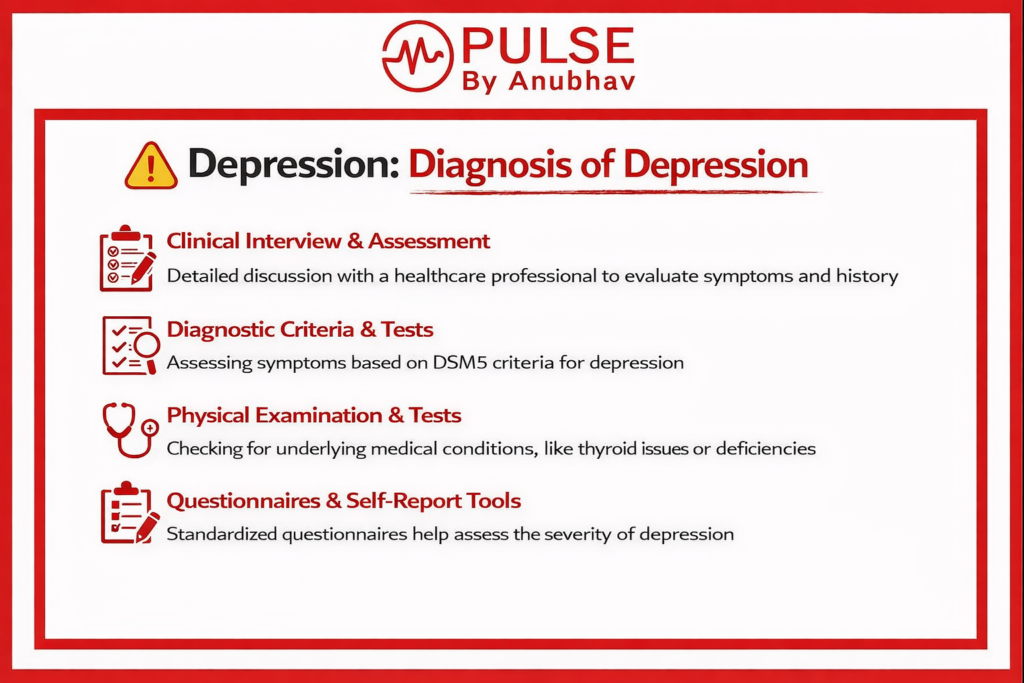
- Clinical interviews and history-taking
- Symptom evaluation (duration, severity)
- Standard questionnaires (e.g., PHQ-9)
There are no specific lab tests for depression, but tests may be done to rule out other medical conditions.
🌱🌻Healing from Within: Treatment for Mood Disorder
💊 Treatment of Depression
Depression is treatable, and most people improve with proper care:
1. Medications
- Antidepressants (SSRIs, SNRIs, TCAs)
- Help regulate brain chemicals
- Must be taken under medical supervision
2. Psychotherapy
- Cognitive Behavioral Therapy (CBT)
- Helps change negative thought patterns
- Improves coping strategies
3. Lifestyle Modifications
- Regular physical activity
- Balanced diet
- Adequate sleep
4. Social Support
- Talking to family and friends
- Joining support groups
5. Advanced Treatments (Severe Cases)
- Electroconvulsive Therapy (ECT)
- Brain stimulation therapies
Also Read- Aisha Sharma Age, Height, Boyfriend, Family, Biography & More | Actor Aisha Sharma Turns Author
🌱 Self-Help and Coping Strategies
While professional help is important, self-care also plays a major role:
- Maintain a daily routine
- Set small, achievable goals
- Practice meditation and relaxation
- Spend time outdoors ☀️
- Avoid isolation—stay connected
- Limit alcohol and drug use
❤️ When to Seek Help
Immediate help is needed if:
- Symptoms last more than 2 weeks
- Daily functioning is affected
- There are suicidal thoughts or behaviors
- Early intervention leads to better outcomes.
🌟 Prevention Tips
- Manage stress effectively
- Stay physically active
- Build strong relationships
- Practice mindfulness
- Seek help early when symptoms appear
Also Read-
Oracle Mass Layoffs 2026: Severance Package, 30,000 Job Cuts & AI Spending Explained
Best Medicines for Depression: Uses, Price, Composition & How They Work
Composition
Sertraline Hydrochloride (SSRI)
Use
Commonly used for Depression, anxiety, and mood disorders
How it Works
Increases serotonin levels in the brain to improve mood and reduce stress
Approx Price
₹50 – ₹200 (depends on brand & dose)
Availability
Available at medical stores with doctor prescription
Composition
Fluoxetine Hydrochloride (SSRI)
Use
Treats Depression, OCD, panic disorder
How it Works
Balances serotonin levels to stabilize mood
Approx Price
₹30 – ₹150
Availability
Prescription required, available at pharmacies
Composition
Escitalopram Oxalate (SSRI)
Use
Used for Depression and generalized anxiety disorder
How it Works
Improves serotonin activity to enhance mood
Approx Price
₹80 – ₹250
Availability
Available with prescription at medical stores
Medical vs Natural Treatment for Depression: What Works Best & Faster?
How it Works
Works by balancing brain chemicals like serotonin & dopamine to improve mood and reduce symptoms.
Time to Show Effect
Usually takes 2–6 weeks to show noticeable improvement.
How it Helps
Reduces severe symptoms like sadness, anxiety, and negative thoughts effectively.
What You Need to Use
Antidepressants, therapy sessions (CBT), and doctor supervision.
Best For
Moderate to severe Depression cases.
How it Works
Improves mental health naturally by boosting mood through lifestyle changes & habits.
Time to Show Effect
Takes few weeks to months depending on consistency.
How it Helps
Reduces stress, improves sleep, and supports emotional balance over time.
What You Need to Do
Exercise, meditation, sunlight exposure, healthy diet, and social connection.
Best For
Mild Depression or support along with medical treatment.
Also read- Raashii Khanna: Age, Bio & Life Story – ‘Ustaad Bhagat Singh’ Spotlight
1 thought on “Depression: The Silent Struggle – A Complete Guide to Understanding, Symptoms, Causes & Treatment”