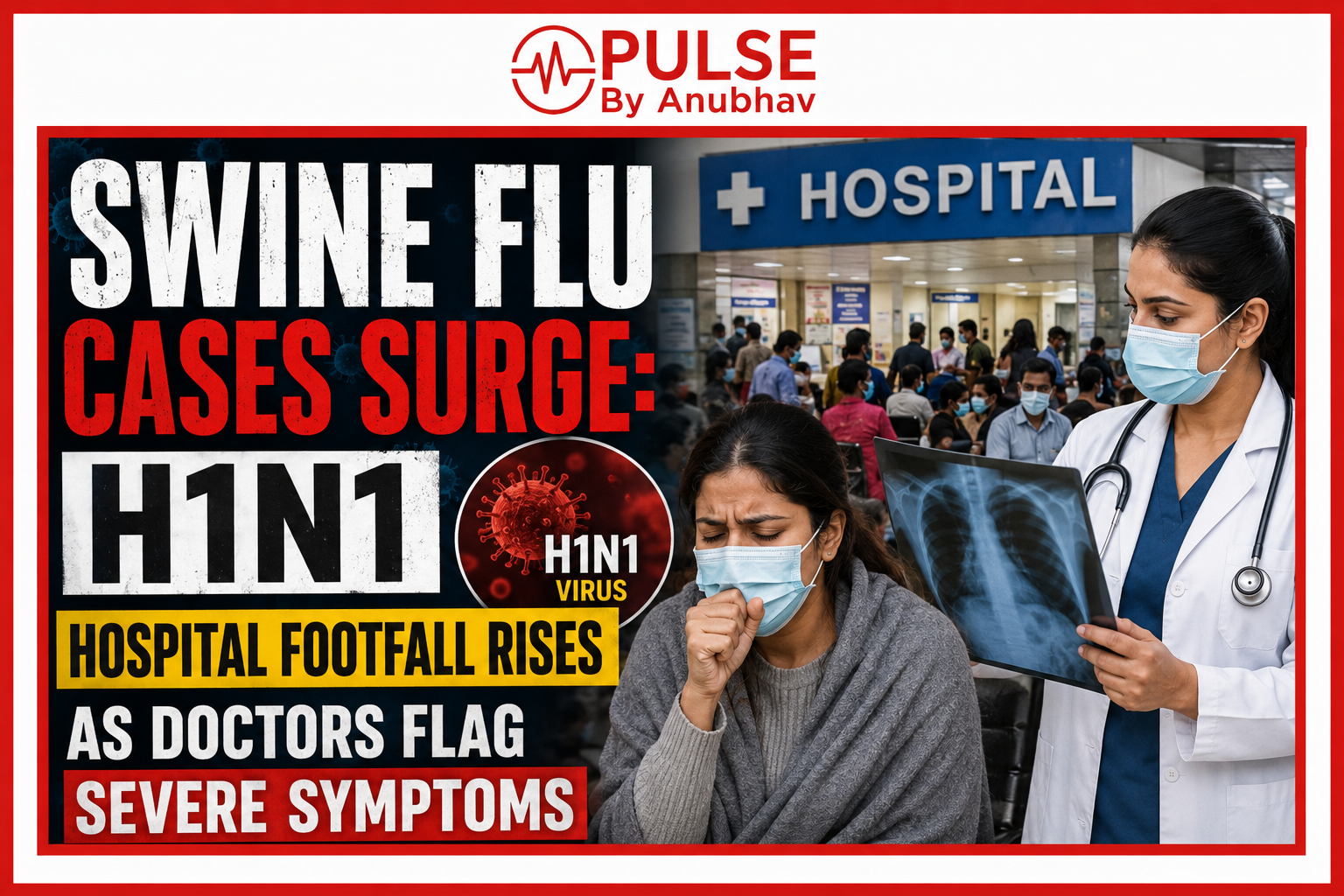
Swine flu cases are rising across Delhi-NCR as H1N1 patients report severe breathing issues, falling oxygen levels and increased hospital visits.
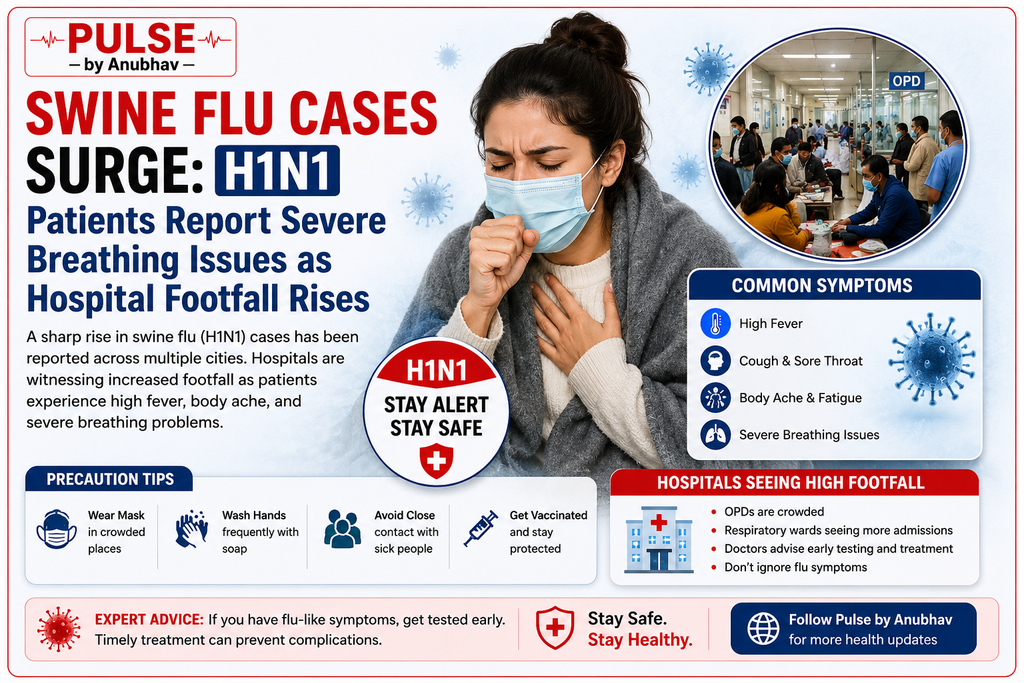
Swine flu cases are rising sharply across Delhi-NCR, Mumbai and Bengaluru during the monsoon season, with hospitals reporting increased OPD footfall. Delhi has recorded around 1,777 H1N1 cases this year, compared with 229 during the same period last year. While most healthy people recover with rest and proper treatment, elderly people, young children, pregnant women and those with existing illnesses face a higher risk of complications. Doctors have reported cases of pneumonia, breathing difficulties and falling oxygen levels in some patients. Health authorities have stepped up surveillance and hospital preparedness, while advising people not to panic. Experts recommend recognising warning signs early, maintaining hygiene, avoiding close contact when sick and considering annual influenza vaccination.
Also Read- Yesha Sagar Pens Cryptic Note Amid Sameer Rizvi Dating and Religious Conversion Rumours
Swine Flu Cases Surge: H1N1 Hospital Footfall Rises as Doctors Flag Severe Symptoms
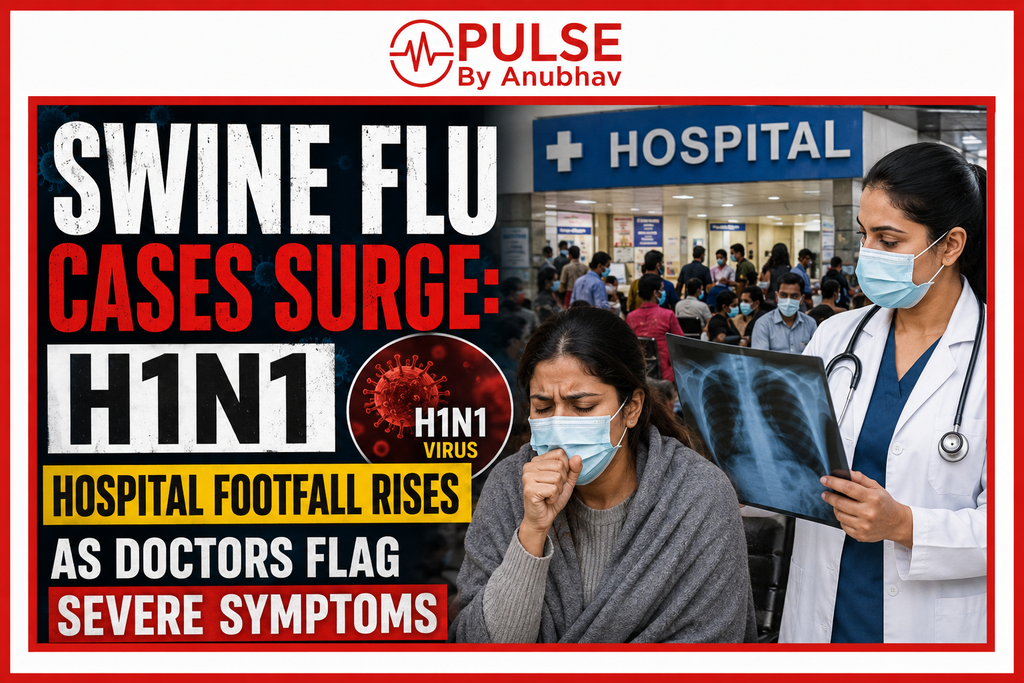
The rise in swine flu cases is putting hospitals and OPDs across Delhi-NCR and several other major cities on alert, with doctors reporting a noticeable increase in patients suffering from fever, cough, body aches and respiratory problems. While most otherwise healthy people are recovering without serious complications, some vulnerable patients are developing pneumonia, falling oxygen levels and severe breathing difficulties.
The current H1N1 surge is being seen during the monsoon influenza season, when humid weather, crowded indoor spaces and increased close contact can help respiratory viruses spread more easily. Health authorities have stressed that there is no need to panic, but doctors are advising people to recognise warning signs early and seek medical attention if symptoms worsen.
Delhi Reports Sharp Jump in H1N1 Cases
Delhi has witnessed a major year-on-year increase in H1N1 infections. According to the latest reported figures, the Capital has recorded around 1,777 cases this year, compared with 229 cases during the corresponding period last year.
The sharp rise has led to increased patient footfall at hospital OPDs. Doctors across Delhi-NCR are also seeing other respiratory illnesses, including influenza A strains and Covid-related infections, which means every fever or cough should not automatically be considered swine flu.
However, the increase in confirmed swine flu cases has been significant enough for health authorities to review preparedness, strengthen surveillance and ensure hospitals are ready to manage severe patients.
What Is H1N1 or Swine Flu?
H1N1, commonly called swine flu, is a subtype of the influenza A virus. It spreads mainly through respiratory droplets when an infected person coughs, sneezes or comes into close contact with others.
The virus became globally known during the 2009 pandemic and has continued to circulate as a seasonal influenza strain since then.
Common symptoms can include:
- Sudden fever
- Dry cough
- Sore throat
- Runny or blocked nose
- Severe body aches
- Headache
- Chills
- Weakness and fatigue
Some patients may also experience nausea, vomiting, diarrhoea, reduced appetite and unusual lethargy.
Doctors Say Most Patients Recover, but Vulnerable Groups Face Higher Risk
The majority of healthy adults with H1N1 recover with proper rest, hydration and symptomatic treatment. The bigger concern is for people who are more likely to develop complications.
Higher-risk groups include:
Older Adults and Young Children
Elderly people and children below five years of age may be more vulnerable to severe influenza-related complications.
People With Existing Health Conditions
Patients with diabetes, chronic heart disease, lung disease or weakened immunity may face a greater risk of pneumonia and serious respiratory illness.
Pregnant Women
Pregnancy can increase the risk of complications from influenza, making early medical consultation important if symptoms develop.
Healthcare Workers
Doctors, nurses and frontline hospital staff may also face higher occupational exposure during a major seasonal surge because of repeated contact with infected patients.
Falling Oxygen Levels and Pneumonia Become Major Warning Signs
Doctors have emphasised that people should focus less on panicking over every cough and more on watching whether symptoms are getting worse.
In some severe H1N1 cases, viral pneumonia can develop, leading to breathlessness and a fall in oxygen saturation. A small number of patients may require hospitalisation, ICU monitoring or ventilatory support.
Warning signs that should not be ignored include:
- Difficulty breathing or severe breathlessness
- Chest pain
- Falling oxygen levels
- Persistent or returning high fever
- Confusion or unusual drowsiness
- Bluish lips
- Blood in sputum
- Rapid worsening after initially mild symptoms
For children, poor feeding, refusal to drink fluids and unusual lethargy can also require urgent medical attention.
The Surge Is Not Limited to Delhi-NCR
The increase in swine flu and influenza-like illnesses is not being reported only in the national capital.
Doctors in Mumbai and Bengaluru have also reported a rise in patients with high fever, cough, cold and severe body aches. Most patients are recovering without complications, but some have required oxygen support because of respiratory problems.
In Bengaluru, doctors have also observed how infections can spread quickly within families. School-going children may catch the virus and unknowingly bring it home, exposing parents, grandparents and other family members.
Crowded places such as airports, bus stands, metro systems, markets and poorly ventilated indoor areas can also increase exposure to respiratory infections.
Why Are Swine Flu Cases Rising During the Monsoon?
Influenza can circulate throughout the year, but doctors often see seasonal peaks during humid and changing weather conditions.
During the monsoon, people tend to spend more time indoors and in close contact with others. Crowded gatherings, travel and festivals can further increase opportunities for respiratory viruses to spread.
Weather changes may also create conditions that allow influenza viruses to circulate more actively. Doctors say another seasonal increase is often seen during the winter months.
Delhi Health Authorities Step Up Preparedness
The rise in swine flu cases has prompted health authorities to review the situation and strengthen surveillance.
Hospitals have been asked to remain prepared, while dedicated beds, isolation arrangements and intensive care facilities are being monitored for patients who may require advanced treatment.
Officials have maintained that there is currently no reason for panic. Most infected people are recovering, and hospitals have reported adequate preparedness to manage severe cases.
The key message remains simple: stay alert, but do not panic.
Not Every Fever or Cough Is H1N1
Doctors are also warning against assuming that every respiratory illness is swine flu.
Delhi-NCR is currently witnessing multiple respiratory infections at the same time. Influenza A, other seasonal viruses and Covid-related infections can produce similar symptoms.
Testing and medical evaluation may be required to identify the exact cause, especially when symptoms are severe or the patient belongs to a high-risk group.
Self-diagnosis based only on symptoms can be misleading.
How Is H1N1 Treated?
For many healthy people, treatment focuses on managing symptoms through rest, adequate hydration and medical advice.
Antiviral medicines such as oseltamivir may be prescribed, particularly for high-risk patients or people with moderate to severe illness. These medicines are generally more effective when started early after symptom onset.
Antibiotics do not treat H1N1 because it is caused by a virus. They may only be used when a doctor suspects or confirms a secondary bacterial infection.
People should avoid self-medication and unnecessary antibiotic use.
💊 H1N1 (Swine Flu): Which Medicines May Be Used?
Understanding antiviral treatment, symptom relief and when antibiotics may actually be needed.
🦠 Antiviral Treatment
Oseltamivir may be prescribed by a doctor for certain patients, especially those at high risk of complications or those with moderate to severe illness. Early medical evaluation can be important because antiviral treatment may work best when started promptly.
🌡️ Fever and Body Ache Relief
Medicines for fever, body ache and other symptoms may be recommended based on the patient’s age, medical history and overall condition. Follow the advice of a doctor or qualified healthcare professional.
🧫 When Are Antibiotics Used?
Antibiotics are not a routine treatment for H1N1. A doctor may prescribe them only if there is evidence of a secondary bacterial infection, such as bacterial pneumonia or another confirmed complication.
How to Reduce the Risk of Infection
Simple precautions can help reduce the spread of H1N1 and other respiratory viruses:
Stay Home When You Are Sick
Avoiding close contact while symptomatic can help protect family members, colleagues and vulnerable people.
Maintain Good Hand Hygiene
Wash hands regularly or use appropriate hand hygiene measures, especially after coughing, sneezing or touching frequently used surfaces.
Follow Cough and Sneeze Etiquette
Cover your mouth and nose while coughing or sneezing and avoid exposing others to respiratory droplets.
Improve Indoor Ventilation
Fresh airflow can help reduce the concentration of respiratory particles in crowded indoor spaces.
Consider Annual Influenza Vaccination
Doctors advise annual influenza vaccination, especially for high-risk groups and healthcare workers. Influenza viruses change over time, which is why vaccination recommendations are updated regularly.
Pulse by Anubhav’s Take: Stay Alert, Not Afraid
The latest rise in swine flu cases shows why seasonal respiratory infections should never be ignored, particularly when symptoms begin to worsen.
At the same time, a fever or cough does not automatically mean H1N1. Most healthy people recover without serious complications, but elderly people, young children, pregnant women and those with existing health conditions should be more cautious.
If symptoms persist or warning signs such as breathlessness, chest pain, confusion or falling oxygen levels appear, seeking medical advice early is important.
As H1N1 cases continue to rise during the monsoon season, the best approach is simple: follow hygiene measures, avoid close contact when sick, stay updated through official health advisories and do not ignore worsening symptoms.
Pulse by Anubhav will continue bringing you important health updates in a simple and easy-to-understand way. 💊
Also Read- Saridon Tablets: Uses for Headache & Pain, Dosage, Side Effects and Precautions | Pulse by Anubhav
FAQs About Swine Flu Cases H1N1 Rise Across The Indian Cities
What is H1N1 or swine flu?
H1N1, commonly known as swine flu, is a type of influenza A virus that spreads mainly through respiratory droplets and close contact with an infected person.
What are the common symptoms of H1N1?
Common symptoms include fever, cough, sore throat, runny nose, headache, body aches, chills, weakness and fatigue. Some people may also experience nausea, vomiting or diarrhoea.
When should I seek medical help for swine flu?
Seek medical advice if symptoms are severe or worsening. Warning signs can include difficulty breathing, chest pain, falling oxygen levels, persistent high fever, confusion, bluish lips or unusual drowsiness.
Who is at higher risk of severe H1N1 infection?
Older adults, young children, pregnant women and people with weakened immunity or chronic conditions such as heart or lung disease may face a higher risk of complications.
Do antibiotics treat H1N1 or swine flu?
No. H1N1 is caused by a virus, so antibiotics do not treat the infection itself. Antibiotics may only be prescribed by a doctor if a secondary bacterial infection is suspected or confirmed.
Can H1N1 cause low oxygen levels?
In severe cases, H1N1 can lead to pneumonia and serious respiratory complications, which may cause breathing difficulties and low oxygen levels. Such symptoms require prompt medical attention.
How can I reduce the risk of H1N1 infection?
Maintain good hand hygiene, follow cough etiquette, avoid close contact when sick, improve ventilation in indoor spaces and follow medical advice regarding seasonal influenza vaccination.
3 thoughts on “Swine Flu Cases Surge: H1N1 Patients Report Severe Breathing Issues as Hospital Footfall Rises”