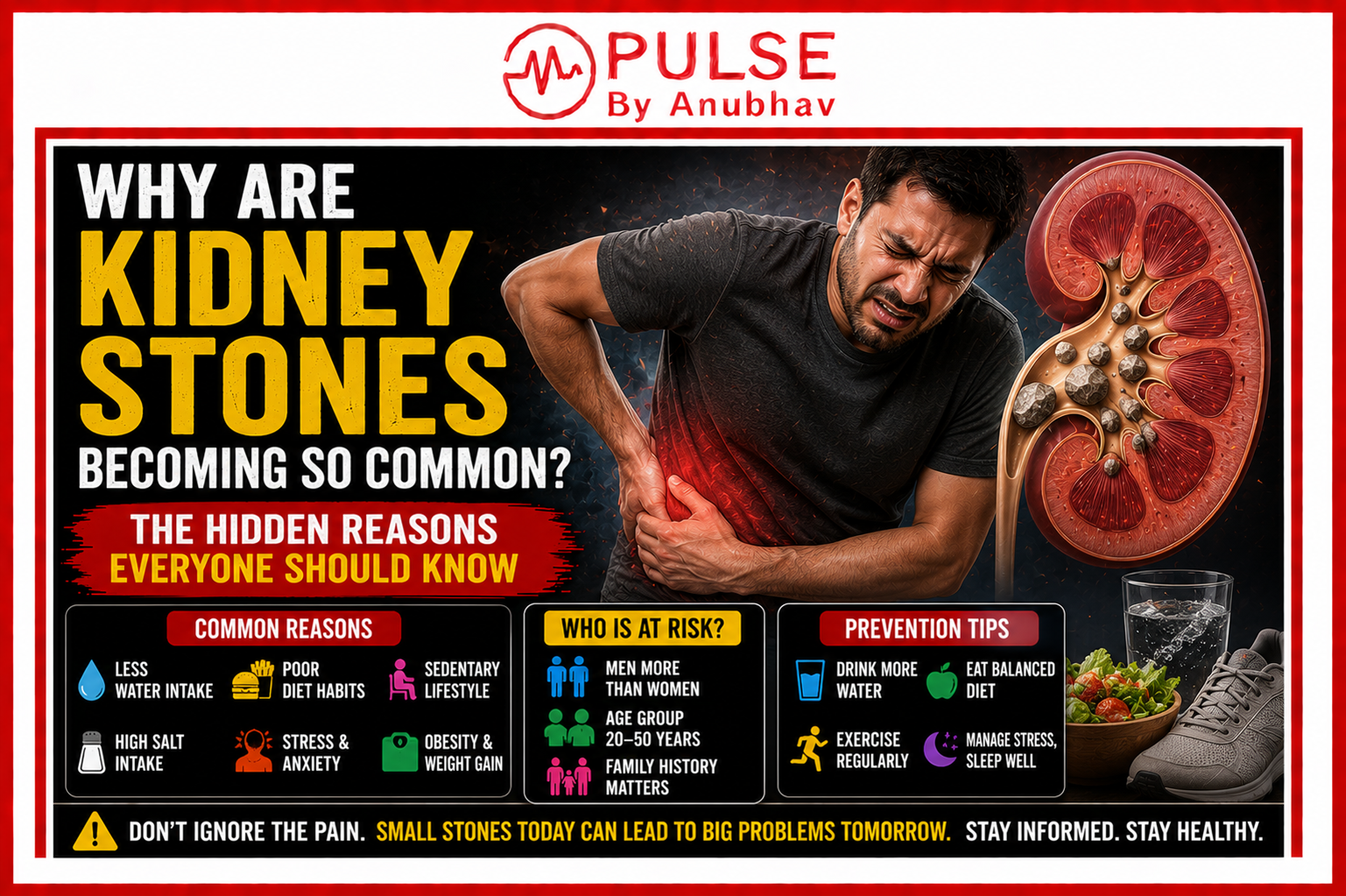
Kidney Stones are becoming more common due to dehydration, poor diet, obesity, and lifestyle changes. Learn hidden causes, early symptoms, prevention tips, and treatment insights.
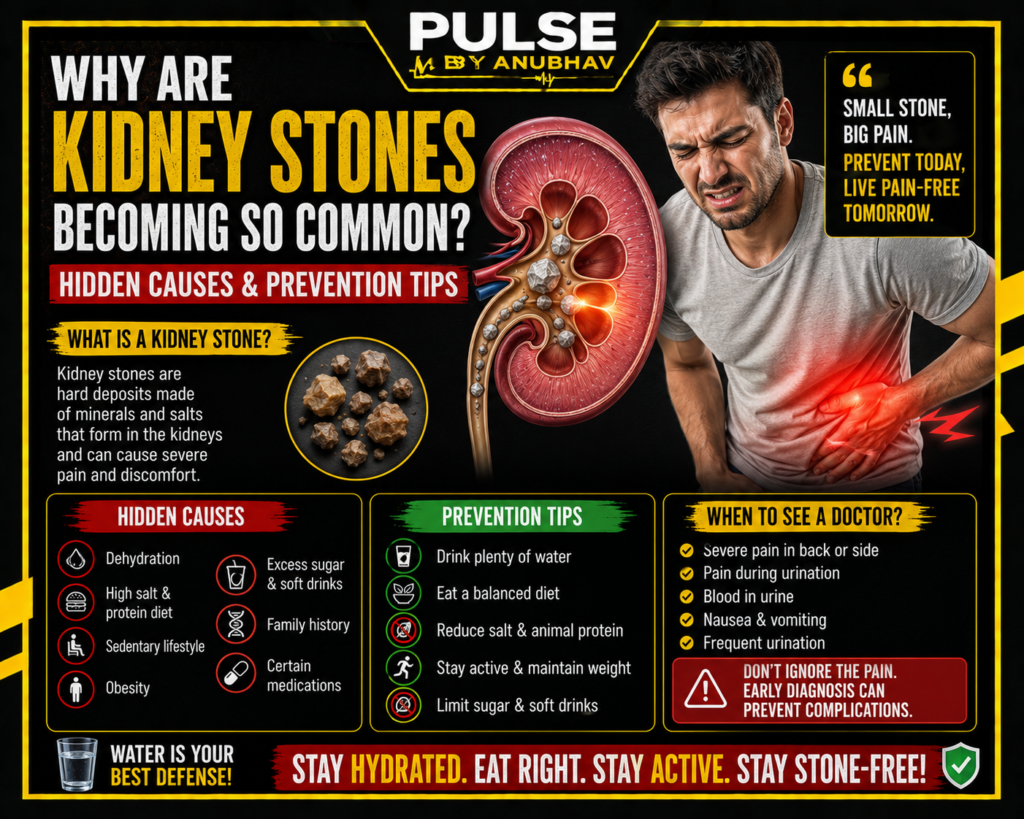
Kidney Stones are rising worldwide and are no longer limited to older adults. Factors such as chronic dehydration, processed foods, obesity, sugary drinks, sedentary lifestyles, and changing climate conditions are increasing the risk. Early signs may include severe side pain, burning urination, blood in urine, and frequent urination. The good news is that many cases may be prevented through better hydration, balanced nutrition, regular activity, and healthy daily habits.
Also read- UP CNET 2026 Result OUT Live: Download ABVMU Scorecard Link
Note: This entire blog content is for educational purposes only and is not medical advice.
Why Are Kidney Stones Becoming So Common? The Hidden Reasons Everyone Should Know
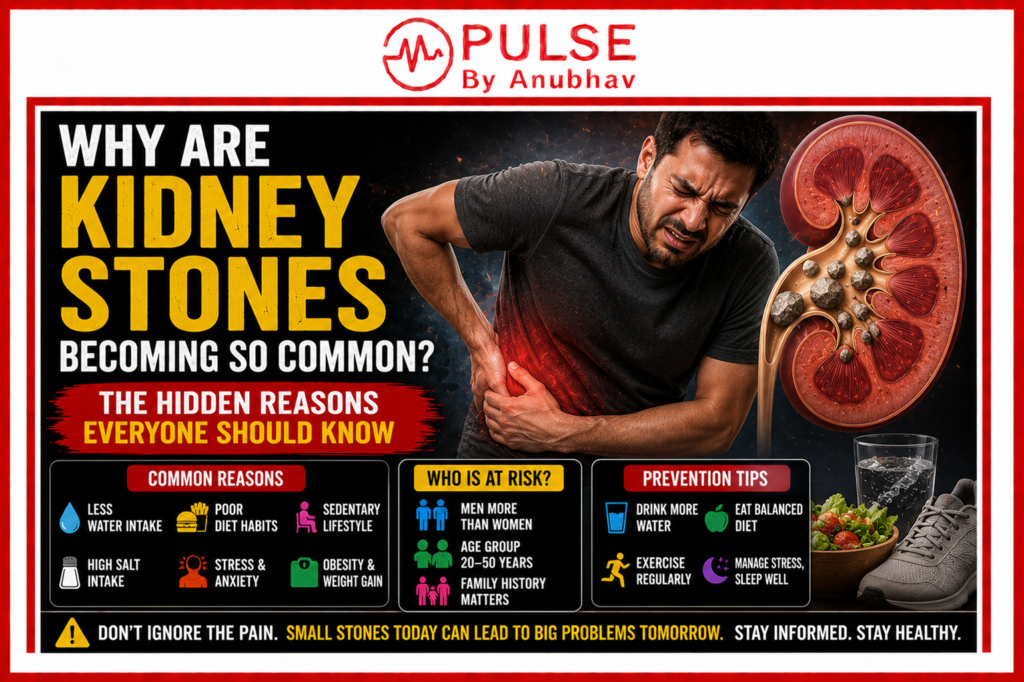
Kidney Stones were once considered a condition mostly seen in middle-aged adults. Today, that picture is changing. Doctors are now reporting more cases among younger adults, teenagers, and even children. Over the past few decades, the number of people diagnosed with Kidney Stones has increased significantly, making them one of the most common urinary tract conditions worldwide.
So, why is this happening?
The answer appears to be connected to the way modern life has changed. Daily habits, food choices, lower water intake, and increasing obesity levels are creating conditions that make stone formation more common than before.
Let’s understand the hidden reasons behind this growing health concern.
What Are Kidney Stones?
Kidney Stones are hard deposits made from minerals and salts that develop inside the kidneys. They form when substances such as calcium, oxalate, and uric acid become highly concentrated in urine and begin turning into crystals.
Over time, those crystals can grow into stones ranging from tiny particles to much larger sizes. When a stone starts moving through the urinary tract, it may cause intense pain and uncomfortable symptoms.
Why Are More People Getting Kidney Stones?
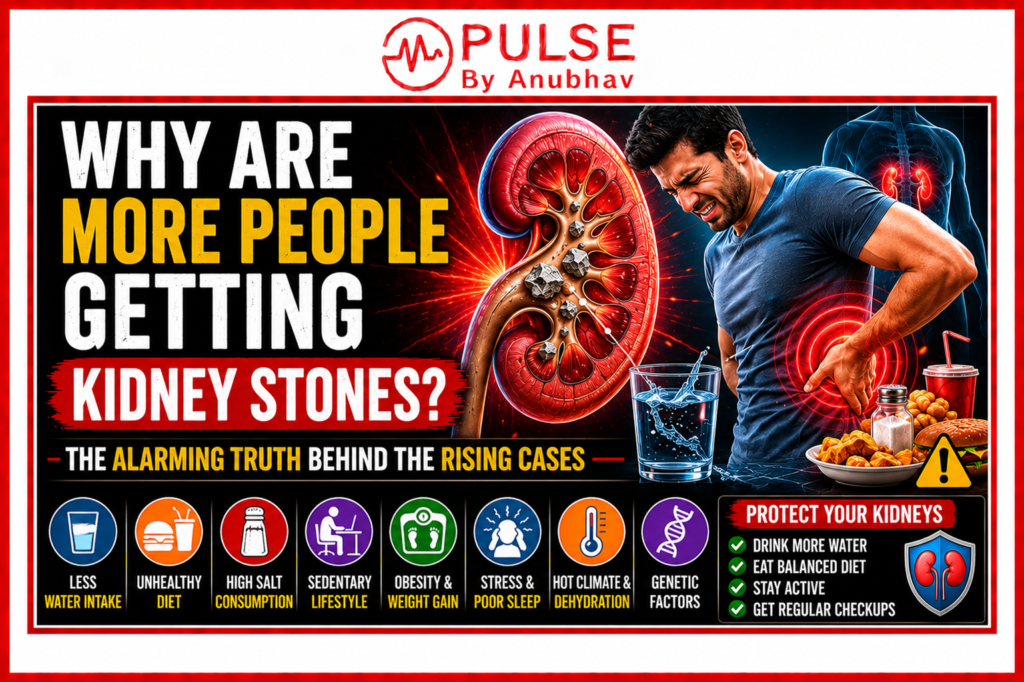
1. Chronic Dehydration: The Biggest Contributor
One of the biggest reasons behind rising Kidney Stones cases is simple—many people are not drinking enough water.
Busy routines, frequent caffeine intake, hot weather, and low awareness often lead to dehydration. When the body loses water, urine becomes concentrated and minerals can stick together more easily.
People living in warmer regions may face even higher risk because they lose more fluid through sweating.
Simple takeaway: Less water can mean a higher chance of stone formation.
2. Modern Eating Habits Are Fueling the Problem
Today’s diets are very different from older generations.
Many people regularly consume:
- Fast food
- Processed snacks
- High-salt meals
- Sugary beverages
- Excessive meat intake
These habits may increase substances in urine that support stone formation.
High sodium intake, especially, can make the kidneys release more calcium, increasing the possibility of developing certain Kidney Stones.
3. Obesity and Weight Gain Continue to Increase
Research has shown that overweight and obese individuals may have a greater likelihood of developing Kidney Stones.
Extra body weight can influence metabolism and change urine chemistry in ways that encourage stone formation.
As obesity rates rise worldwide, kidney stone cases appear to be increasing alongside them.
4. Sugary Drinks Are Replacing Water
Soft drinks, energy drinks, and sweetened beverages have become everyday choices for many people.
These drinks often contain large amounts of sugar and fructose, which may increase the risk of Kidney Stones.
The problem becomes even bigger when people replace water with these drinks instead of improving hydration.
5. More Sedentary Lifestyles
Modern life involves more sitting and less movement.
Long working hours, screen time, and lower physical activity may influence calcium balance and overall metabolism.
Regular movement supports overall kidney health and helps maintain a healthy body weight.
6. Climate Change and Rising Temperatures
Experts believe rising temperatures may also be contributing to the growing number of Kidney Stones cases.
Hot weather increases sweating and fluid loss. Without proper hydration, urine becomes more concentrated, creating an environment where stones can form more easily.
Because of this connection, some experts even describe kidney stones as a climate-sensitive condition.
7. High-Protein Diet Trends
High-protein diets have become popular for weight loss and muscle building.
Protein is important, but excessive animal protein intake may increase uric acid levels and reduce substances that naturally help prevent stone formation.
Balance remains more important than extremes.
Also read- Dhamaal 4 Trailer Out: Ajay Devgn Opens Up on Box Office Pressure
Symptoms of Kidney Stones
Kidney Stones may remain unnoticed until they begin moving.
Common symptoms include:
- Severe pain in the back or side
- Pain spreading to the lower abdomen or groin
- Burning during urination
- Blood in urine
- Frequent urination
- Nausea and vomiting
- Cloudy or unusual-smelling urine
If symptoms become severe or continue for a long time, medical evaluation is important.
💊 Kidney Stones Medicines Guide: Types, Composition & How They Work
There is no single best medicine for Kidney Stones. Doctors usually choose treatment based on stone size, location, symptoms, and stone type.
1. Pain Relief Medicines (For Kidney Stone Pain)
Common Medicine: Diclofenac / Ibuprofen (NSAIDs)
Composition:
• Diclofenac Sodium
• Ibuprofen
How it works:
These medicines reduce inflammation and help control pain caused when a stone moves through the urinary tract.
Usually used for:
✔ Sudden kidney stone pain
✔ Mild to moderate discomfort
Estimated price:
Varies by brand and pack size.
Where available:
Retail pharmacies and licensed online pharmacies.
2. Tamsulosin (Stone Passage Medicine)
Common Salt: Tamsulosin 0.4 mg
How it works:
Helps relax muscles in the urinary tract so some stones may pass more easily.
Usually used for:
✔ Small to medium ureter stones
✔ Medical expulsive therapy
Estimated price:
Depends on brand and strip size.
Important:
Works for selected patients—not every kidney stone.
3. Potassium Citrate (Prevention & Selected Stone Types)
Composition:
Potassium Citrate
How it works:
Makes urine less acidic and may reduce formation of certain types of stones.
Usually used for:
✔ Uric acid stones
✔ Prevention of recurrent stones
Estimated price:
Varies by brand and formulation.
4. Allopurinol (For High Uric Acid Cases)
Composition:
Allopurinol
How it works:
Reduces uric acid production inside the body.
Usually used for:
✔ Uric acid related kidney stones
Estimated price:
Depends on strength and manufacturer.
5. Antibiotics (Only If Infection Is Present)
Examples:
Doctor-selected antibiotics depending on infection.
How it works:
Treats bacterial infection if stone is associated with urinary infection.
Important:
Do not take antibiotics without medical advice.
🛡️ Natural Support Along With Treatment
- Drink enough water daily
- Reduce extra salt
- Limit sugary drinks
- Stay physically active
- Do not ignore repeated stone episodes
Medicines can help manage Kidney Stones, but hydration and prevention habits often make the biggest long-term difference.
Also read- Migraine Headache: Symptoms, Causes & Treatment
How to Prevent Kidney Stones
The good news is that many Kidney Stones cases may be preventable with everyday habits.
Drink More Water
Try to drink enough water so urine stays light yellow or nearly clear.
Reduce Salt Intake
Limit highly processed foods and excessive sodium.
Eat More Fruits and Vegetables
A balanced diet supports a healthier urinary environment.
Stay Physically Active
Regular exercise helps maintain healthy metabolism and body weight.
Maintain a Healthy Weight
Managing weight may lower long-term stone risk.
Limit Sugary Drinks
Choose water more often instead of sweetened beverages.
Follow a Balanced Diet
Avoid extreme eating plans unless recommended by a healthcare professional.
🪨 Kidney Stones in Women, Removal Options & Early Warning Signs
Kidney Stones can affect both men and women, but symptoms and treatment experiences may sometimes feel different. Knowing the early signs and understanding treatment options can help avoid delays.
👩 Kidney Stones in Women
Kidney Stones in women are becoming more common than before. In some cases, symptoms may look similar to urinary infections, pelvic discomfort, or lower abdominal pain, which can make recognition difficult.
- Pain in the lower back or side
- Burning sensation while urinating
- Frequent urge to urinate
- Nausea or vomiting
- Blood in urine
- Pain spreading toward the lower abdomen
Women who experience repeated urinary symptoms or recurring pain should consider medical evaluation instead of assuming it is only dehydration or a minor infection.
🏥 Kidney Stones Removal: How Are Stones Removed?
Not all Kidney Stones require surgery. Small stones may pass naturally with hydration and medical management, while larger stones may require procedures.
-
Natural Passage:
Small stones sometimes leave the body through urine. -
Medicines:
Doctors may prescribe treatment to help reduce discomfort and support stone passage in selected cases. -
Shock Wave Treatment (ESWL):
Uses sound waves to break stones into smaller fragments. -
Ureteroscopy:
A thin instrument may be used to locate and remove certain stones. -
PCNL Procedure:
Sometimes considered for larger kidney stones.
Treatment depends on stone size, location, symptoms, and overall health. There is no single removal method that works for everyone.
⚠️ What Are the First Signs of Kidney Stones?
Kidney Stones may stay unnoticed in the beginning. Symptoms often appear once the stone starts moving.
- Sharp pain in the side or lower back
- Sudden waves of pain
- Pain during urination
- Frequent urge to urinate
- Pink, red, or brown urine
- Nausea or stomach discomfort
- Cloudy or unusual-smelling urine
The intensity can vary from mild discomfort to severe pain depending on the stone and location.
Do not wait for severe pain before paying attention. Staying hydrated, reducing excess salt, and getting evaluated early may help lower future Kidney Stones risk.
The Future of Kidney Stones
Experts believe Kidney Stones may continue becoming more common if current lifestyle patterns remain unchanged.
Dehydration, processed diets, obesity, low physical activity, and environmental factors together are creating conditions that support this painful problem.
That makes awareness and prevention more important than ever.
🏥 When Should You See a Doctor for Kidney Stones?
Not every Kidney Stone needs emergency treatment, but some symptoms should never be ignored.
- Severe pain that becomes unbearable or does not improve
- Pain with fever or chills (may indicate infection)
- Blood in urine that continues or becomes noticeable
- Unable to urinate or urine flow suddenly decreases
- Persistent nausea or vomiting causing dehydration
- Burning during urination with worsening discomfort
- Cloudy or foul-smelling urine
- Pain that keeps returning in waves and becomes difficult to manage
📅 Book a Doctor Appointment Soon If:
- Symptoms continue for more than a short period
- You have repeated Kidney Stones episodes
- You frequently experience urinary discomfort
- You have diabetes, one kidney, or previous kidney issues
- You are unsure whether the pain is from stones or another condition
💧 Quick Kidney Stones Reminder
Small stones sometimes pass naturally, but larger stones, blockage, infection, severe pain, vomiting, fever, or difficulty passing urine may need urgent medical attention. Early evaluation can help avoid complications.
Final Thoughts
Kidney Stones are becoming increasingly common, but they are not unavoidable.
Small daily changes—drinking more water, eating balanced meals, staying active, and maintaining a healthy weight—can make a meaningful difference.
Your kidneys work silently every single day. Taking care of them now may help you avoid one of the most painful health conditions later.
💧 Pulse by Anubhav Reminder:
Sometimes the simplest prevention method is also the most powerful—a glass of water at the right time.
Also Read- Antihistamines: How They Work, Types, Side Effects & Best Options (Cetirizine vs Fexofenadine)
Frequently Asked Questions
Quick answers about symptoms, treatment, prevention, and common concerns people search before getting medical help.
What are the earliest signs of a kidney stone?
Can a small stone pass naturally?
How much water should I drink to lower stone risk?
Which foods may increase the chance of stone formation?
- Excess salt
- Processed foods
- Sugary drinks
- Very high animal protein intake
2 thoughts on “Why Are Kidney Stones Becoming So Common? Hidden Causes & Prevention Tips”