Learn everything about Cervicitis Cervix, including symptoms, causes, diagnosis, treatment, antibiotics, prevention, fertility risks, and home care. Read this expert health guide by Pulse by Anubhav.
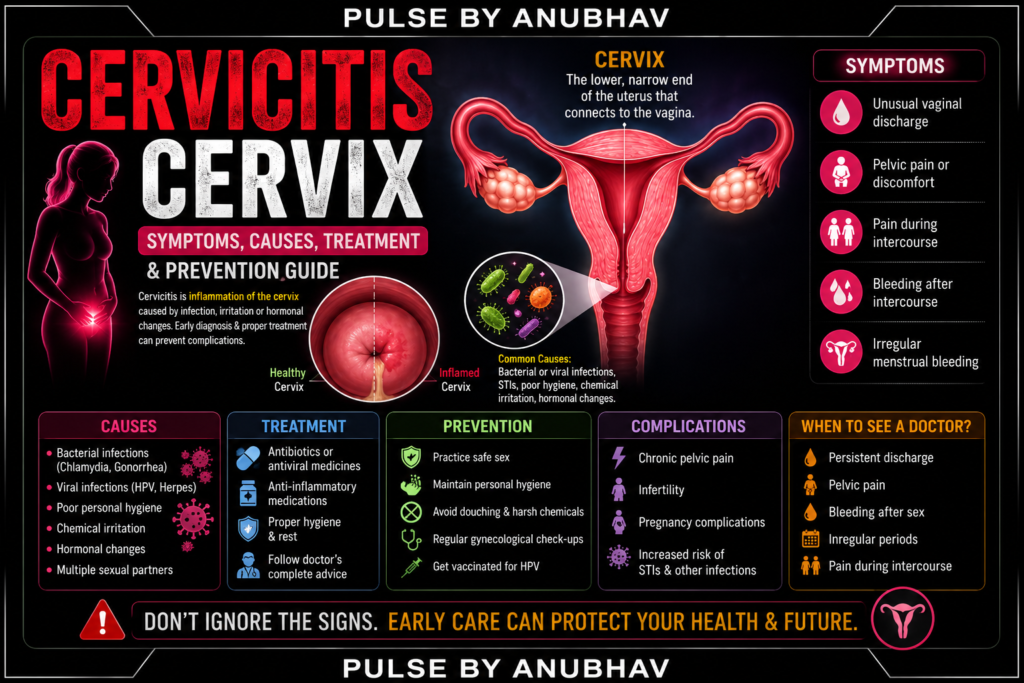
Cervicitis Cervix is an inflammation of the cervix that may develop due to bacterial or viral infections, sexually transmitted infections (STIs), allergies, or chemical irritation. Common symptoms include abnormal vaginal discharge, bleeding after intercourse, pelvic pain, and painful urination, although some women may have no symptoms. Early diagnosis and proper treatment help prevent complications such as pelvic inflammatory disease (PID) and fertility problems. This complete guide by Pulse by Anubhav explains symptoms, causes, diagnosis, treatment, prevention, and when to seek medical care.
Note: This entire blog content is for educational purposes only and is not medical advice.
Also Read- Infertility: Causes, Symptoms, Diagnosis, Treatment, Types & Prevention Guide
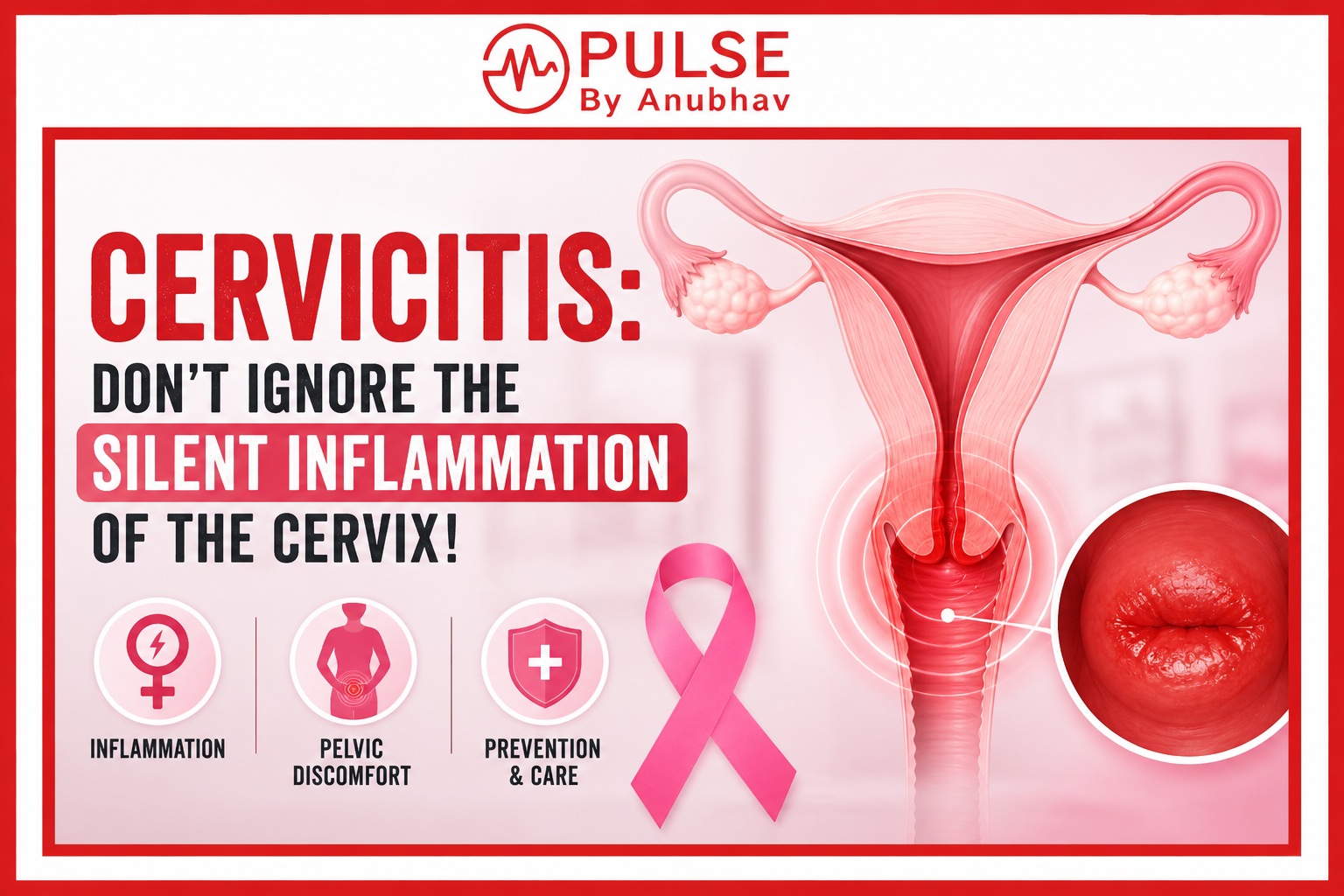
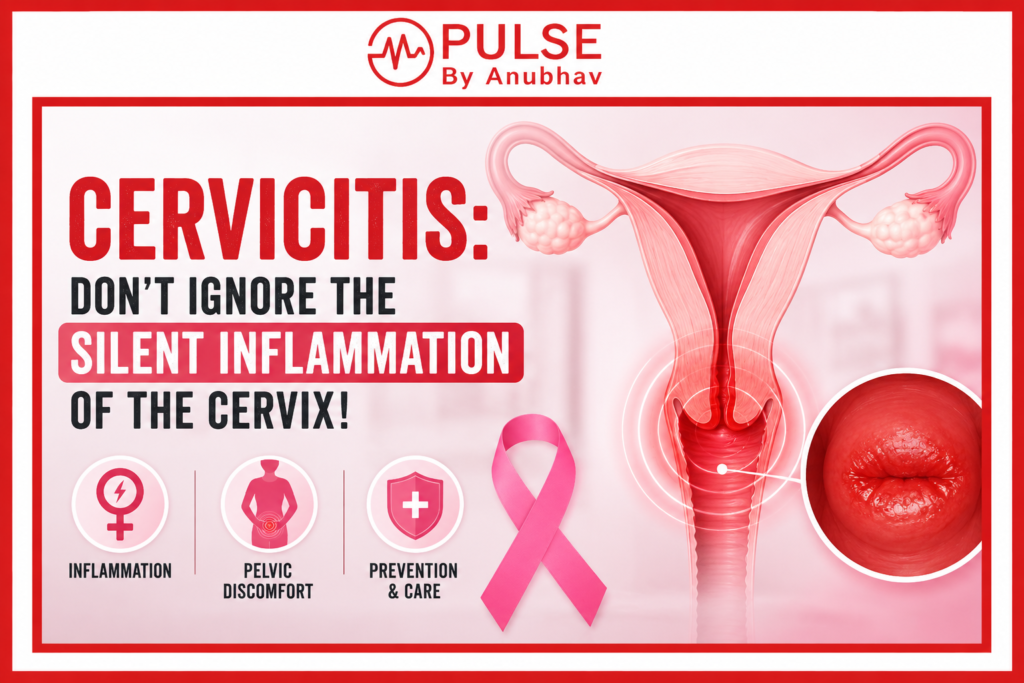
Cervicitis: Don’t Ignore the Silent Inflammation of the Cervix!
What Is Cervicitis?
The cervix is the lower, narrow part of the uterus that connects to the vagina. Cervicitis is an inflammation of the cervix that may develop suddenly (acute cervicitis) or last for a long time (chronic cervicitis).
Many women experience no symptoms at all, while others may notice changes that should not be ignored. Early diagnosis and proper treatment can help prevent complications and protect reproductive health.
Common Symptoms of Cervicitis
- Unusual vaginal discharge
- Bleeding between menstrual periods
- Bleeding after sexual intercourse
- Pain during sexual intercourse
- Burning or pain while urinating
- Pelvic pain or lower abdominal discomfort
- Increased vaginal discharge with an unpleasant odor
Note: Some women with cervicitis have no symptoms and may only be diagnosed during a routine gynecological examination.
What Causes Cervicitis?
Cervicitis can occur due to several reasons, including:
- Sexually transmitted infections (STIs), such as Chlamydia, Gonorrhea, Trichomoniasis, or Genital Herpes
- Bacterial overgrowth in the vagina
- Allergic reactions to latex condoms, spermicides, or feminine hygiene products
- Injury or irritation to the cervix
- Chemical irritants from vaginal douches or scented products
Risk Factors
You may have a higher risk of developing cervicitis if you:
- Have unprotected sexual intercourse
- Have multiple sexual partners
- Have a history of sexually transmitted infections
- Become sexually active at a young age
- Frequently use products that irritate the vaginal area
How Is Cervicitis Diagnosed?
A healthcare provider may recommend:
- Medical history and symptom review
- Pelvic examination
- Cervical swab to detect infection
- STI testing
- Pap smear (when appropriate)
Treatment Options
Treatment depends on the underlying cause.
Bacterial Cervicitis
- Antibiotic medications are commonly prescribed.
Viral Cervicitis
- Antiviral medicines may be recommended for infections such as genital herpes.
Additional Care
- Avoid sexual intercourse until treatment is completed, if advised by your healthcare provider.
- Sexual partners may also require testing and treatment in cases of sexually transmitted infections to prevent reinfection.
Also Read- MASTALGIA (Breast Pain): Causes, Symptoms, Types, Diagnosis, Treatment & When to See a Doctor
- Common Brand: Doxicip, Doxy-1, Vibramycin*
- Composition: Doxycycline 100 mg
- Used For: Chlamydia-related cervicitis and certain bacterial infections.
- How It Works: Stops bacterial protein synthesis, preventing bacteria from multiplying.
- Availability: Available at most licensed pharmacies with a prescription.
- Approx. Price (India): ₹50–₹250 (varies by brand & pack size).
- Common Brand: Azee, Azax, Azithral
- Composition: Azithromycin 500 mg
- Used For: Certain bacterial cervicitis, including some chlamydial infections.
- How It Works: Inhibits bacterial protein production to eliminate infection.
- Availability: Prescription pharmacies.
- Approx. Price (India): ₹70–₹250.
- Common Brand: Rocephin and various generic brands
- Composition: Ceftriaxone Injection
- Used For: Gonorrhea-related cervicitis.
- How It Works: Damages the bacterial cell wall, leading to bacterial death.
- Availability: Hospital or clinic; administered by a healthcare professional.
- Approx. Price (India): ₹40–₹300+ per vial depending on brand.
- Common Brand: Flagyl, Metrogyl
- Composition: Metronidazole 400 mg / 500 mg
- Used For: Trichomoniasis and bacterial vaginosis associated with cervicitis.
- How It Works: Damages DNA of susceptible microorganisms, helping clear infection.
- Availability: Licensed pharmacies with a prescription.
- Approx. Price (India): ₹20–₹120.
- Common Brand: Acivir, Zovirax
- Composition: Acyclovir 400 mg
- Used For: Cervicitis caused by genital herpes (HSV).
- How It Works: Slows replication of the herpes virus and helps reduce symptoms.
- Availability: Prescription pharmacies.
- Approx. Price (India): ₹120–₹500 depending on brand and pack.
Can Cervicitis Affect Fertility?
Yes. If infectious cervicitis is left untreated, the infection may spread to the uterus and fallopian tubes, increasing the risk of Pelvic Inflammatory Disease (PID).
PID can lead to:
- Chronic pelvic pain
- Infertility
- Ectopic pregnancy
Early diagnosis and timely treatment significantly reduce the risk of these complications.
Prevention Tips
- Practice safe sex and use condoms consistently.
- Get tested for STIs if you are at risk.
- Avoid vaginal douching and scented feminine hygiene products.
- Maintain good intimate hygiene.
- Schedule regular gynecological check-ups.
When Should You See a Doctor?
Consult a healthcare professional if you experience:
- Persistent abnormal vaginal discharge
- Bleeding after sexual intercourse
- Severe pelvic pain
- Fever along with pelvic symptoms
- Burning sensation during urination
- Any symptoms that continue or become worse
Many people search for “Cervicitis treatment at home”, but it is important to understand that home remedies cannot cure cervicitis caused by bacterial or viral infections. If the inflammation is due to an STI or another infection, prescription medicines from a healthcare professional are usually required.
However, certain self-care measures may help reduce discomfort while you are receiving medical treatment.
- Get plenty of rest and stay well hydrated.
- Avoid sexual intercourse until your doctor confirms the infection has cleared.
- Wear loose, breathable cotton underwear.
- Avoid scented soaps, vaginal douches, sprays, and other chemical irritants.
- Maintain good intimate hygiene without excessive washing.
- Take medicines exactly as prescribed and complete the full course.
Chronic cervicitis refers to inflammation of the cervix that lasts for several weeks or keeps returning. Successful treatment depends on identifying the underlying cause through a pelvic examination, cervical swab, or STI testing.
- Antibiotics may be prescribed for bacterial infections.
- Antiviral medicines may be recommended if herpes is responsible.
- Chemical irritants or allergy triggers should be avoided.
- Follow-up examinations help ensure the cervix has healed properly.
- Sexual partners may also need evaluation if an STI is diagnosed.
In many cases, cervicitis is treatable and does not become serious when diagnosed early. However, untreated infectious cervicitis may allow the infection to spread to the uterus and fallopian tubes, increasing the risk of Pelvic Inflammatory Disease (PID).
Possible complications of untreated infection may include:
- Persistent pelvic pain.
- Difficulty becoming pregnant in some cases.
- Higher risk of ectopic pregnancy after PID.
- Ongoing vaginal discharge and discomfort.
- Increased risk of transmitting or acquiring certain sexually transmitted infections.
Abnormal vaginal discharge is one of the most common symptoms of cervicitis. The discharge may vary depending on the underlying cause and can appear white, yellow, gray, or green. Some women also notice an unpleasant odor.
Other symptoms that may occur with cervicitis discharge include:
- Bleeding after sexual intercourse.
- Burning during urination.
- Pelvic pain or pressure.
- Pain during intercourse.
- Bleeding between menstrual periods.
If abnormal discharge continues for more than a few days or is accompanied by fever, severe pain, or heavy bleeding, consult a qualified healthcare professional as soon as possible.
Protect Your Cervical Health
Your body often gives early warning signs—don’t ignore them. Cervicitis is usually treatable when diagnosed early. Prompt medical evaluation and proper treatment can help prevent serious complications and support long-term reproductive health.
At Pulse by Anubhav, we believe that reliable health information empowers people to make informed healthcare decisions. Save this guide, share it with someone who may benefit, and remember that regular gynecological check-ups are an essential part of preventive healthcare.
Also Read- Microplastics in Plastic Bottles & Food Containers: Health Risks, BPA, and Safe Usage Tips
I am extremely inspired with your writing talents as well as with the structure in your blog. Is that this a paid topic or did you modify it yourself? Anyway keep up the excellent high quality writing, it’s uncommon to see a nice blog like this one nowadays..