Learn about Thyroid Problems early symptoms, medicines for hypo and hyperthyroidism, treatment options, diet, precautions and expert tips.
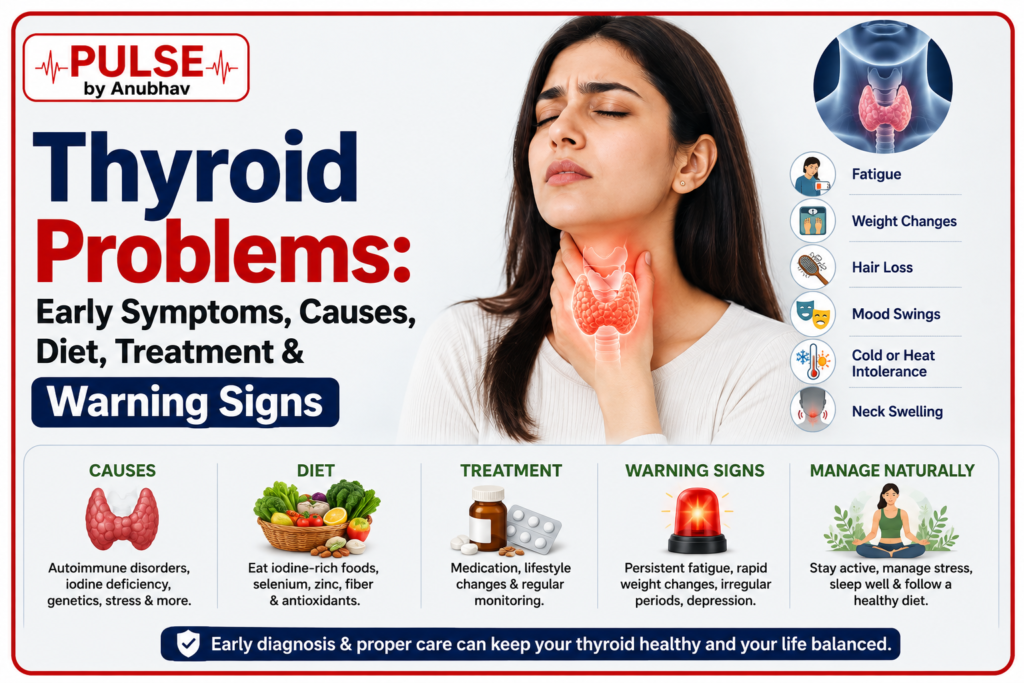
Thyroid problems can affect metabolism, energy, heart rate, weight, digestion and overall health. Hypothyroidism is commonly treated with levothyroxine, while hyperthyroidism may require antithyroid medicines, radioactive iodine or surgery depending on the cause. This guide explains early symptoms, medicines, composition, mechanism of action, diet, iodine intake and precautions in simple language. Read Pulse by Anubhav for practical, pharmacy-focused health information and know when medical evaluation is important.
Also read- How to Detoxify Your Body Naturally: What Actually Works? | Pulse by Anubhav
Note: This entire blog content is for educational purposes only and is not medical advice.
Thyroid Problems: Early Symptoms You Shouldn’t Ignore
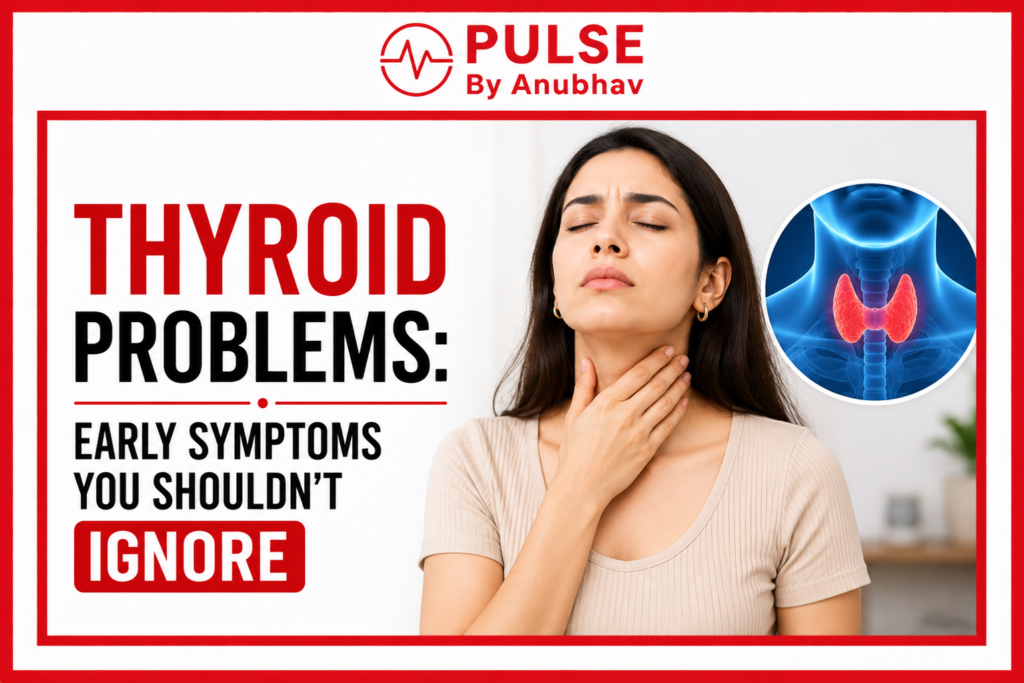
Your thyroid is a small, butterfly-shaped gland in your neck, but its role in your body is anything but small. It produces thyroid hormones that help regulate metabolism, energy levels, heart rate, body temperature, digestion and several other important functions.
Thyroid disorders mainly include hypothyroidism, where the thyroid is underactive, and hyperthyroidism, where it produces too much thyroid hormone. The symptoms can develop gradually, so knowing the early warning signs can help you decide when it may be worth getting checked.
Why Are Thyroid Problems More Common in Women?
A quick guide from Pulse by Anubhav
Thyroid disorders are more common in women, particularly autoimmune thyroid conditions. There isn’t just one reason—immune-system differences, hormonal changes and certain life stages can all contribute to the higher risk.
Many common thyroid disorders, such as Hashimoto’s thyroiditis and Graves’ disease, are autoimmune conditions. These occur when the immune system mistakenly targets the body’s own tissues.
Female hormonal changes can influence immune activity and thyroid function. Periods, pregnancy and the postpartum period are important stages when thyroid problems may become noticeable.
Pregnancy changes the body’s hormone and immune environment. Some women can develop thyroid dysfunction during or after pregnancy, including postpartum thyroiditis.
Family history and genetic susceptibility can increase the likelihood of autoimmune thyroid disease. These factors can interact with environmental and hormonal influences.
🔵 Early Symptoms of Hypothyroidism
When the thyroid produces too little hormone, body functions can slow down. Early thyroid problems may include:
- 😴 Unusual tiredness or low energy
- ⚖️ Unexplained weight gain or difficulty losing weight
- 🥶 Feeling colder than usual
- 💇 Increased hair fall or thinning hair
- 🧴 Dry skin
- 💩 Constipation
- 🧠 Poor concentration or feeling mentally slowed
- 😔 Low mood
- 💪 Muscle aches or weakness
- 🩸 Heavy or irregular periods
- 😴 Increased sleepiness
- ❤️ A slower-than-usual heartbeat
Also read- Face Serum: Benefits, Side Effects & Should You Use It Every Day?
🔴 Early Symptoms of Hyperthyroidism
When thyroid hormone levels become too high, the body may work faster than normal. Common early symptoms can include:
- ⚖️ Unexplained weight loss
- ❤️ Fast or irregular heartbeat
- 😰 Anxiety, nervousness or irritability
- ✋ Trembling hands
- 🥵 Increased sensitivity to heat
- 💦 Excessive sweating
- 😴 Difficulty sleeping
- 💩 Frequent bowel movements
- 💇 Hair thinning
- 💪 Muscle weakness
- 🩸 Changes in menstrual periods
🥗 What Should You Eat for Thyroid Health?
There isn’t one special “thyroid diet” that works for everyone. In most cases, a balanced and varied diet is more useful than unnecessarily eliminating large numbers of foods.
Try to include:
- 🥚 Eggs — provide protein, iodine and selenium
- 🥛 Milk and curd — sources of iodine and protein
- 🐟 Fish and seafood — provide iodine, selenium and protein
- 🌰 Nuts and seeds — some are good sources of selenium, although foods such as Brazil nuts shouldn’t be overeaten
- 🥬 Vegetables and fruits — provide fibre and essential micronutrients
- 🌾 Whole grains and pulses — provide fibre and nutrients
- 🫘 Beans and legumes — useful sources of protein and minerals
🧂 What About Iodine?
Iodine is essential for producing thyroid hormones, but more iodine isn’t necessarily better.
Too little iodine can contribute to thyroid problems, while excessive iodine intake can also interfere with thyroid function. For most people, using iodized salt in normal amounts is an effective way to obtain adequate iodine.
Avoid taking iodine supplements unless they have been recommended by a healthcare professional.
💊 If You Have Hypothyroidism
If your doctor prescribes levothyroxine, take it exactly as directed. It is commonly taken on an empty stomach, and certain supplements or foods—particularly iron and calcium—can interfere with its absorption. Proper timing can therefore matter.
Never start thyroid medication or iodine supplements on your own. The correct dose depends on your thyroid function and individual medical situation.
🚫 What Should You Avoid?
Having thyroid problems doesn’t usually mean you need to completely remove foods such as cabbage, cauliflower or broccoli from your diet. Normal portions of cruciferous vegetables are generally fine for most people.
However, avoid unnecessary or excessive use of:
- ❌ Iodine supplements without medical advice
- ❌ “Thyroid detox” products
- ❌ Unproven herbal thyroid remedies
- ❌ Crash diets
🩺 How Can Thyroid Problems Be Controlled?
The first step is identifying which thyroid disorder you actually have. Your doctor may recommend blood tests such as TSH and free T4, along with additional tests when needed to determine the possible cause.
Treatment depends on the specific thyroid condition:
- Hypothyroidism: Usually treated with thyroid hormone replacement such as levothyroxine.
- Hyperthyroidism: Depending on the cause and individual situation, treatment may include medicines, radioactive iodine or surgery.
Best Medicines for Thyroid Problems: Hypothyroidism vs Hyperthyroidism
Hypothyroidism — Levothyroxine
For hypothyroidism, the standard treatment is thyroid hormone replacement with levothyroxine (thyroxine). It replaces the hormone that the thyroid is unable to produce in sufficient amounts.
Hyperthyroidism — Antithyroid Medicines
Hyperthyroidism is different from hypothyroidism. Instead of replacing thyroid hormone, treatment may use an antithyroid medicine to reduce the thyroid gland’s production of new thyroid hormones.
Tiredness, weight change, hair fall, anxiety and changes in heart rate can have many causes. Thyroid treatment depends on the actual diagnosis, thyroid function tests, underlying cause, age, pregnancy status and other individual factors. Do not start, stop or change thyroid medicine without medical advice.
Also Read- Energy Drinks vs Soft Drinks: Which One Is Actually Worse for You?
⚠️ Remember
Hair fall, tiredness and weight changes do not automatically mean you have a thyroid problem. Similar symptoms can occur with anemia, nutritional deficiencies, stress, inadequate sleep and many other conditions.
If symptoms continue for a while or several symptoms appear together, getting your thyroid function checked is better than trying to diagnose the problem yourself.
Pulse by Anubhav — simple health information, explained with a practical and pharmacy-focused approach.
Also Read- Saridon Tablets: Uses for Headache & Pain, Dosage, Side Effects and Precautions | Pulse by Anubhav
2 thoughts on “Thyroid Problems: Early Symptoms, Causes, Diet, Treatment & Warning Signs | Pulse by Anubhav”