Tonsillitis causes sore throat, swollen tonsils and fever. Explore 10 warning signs, causes, medicines, treatment and home remedies.
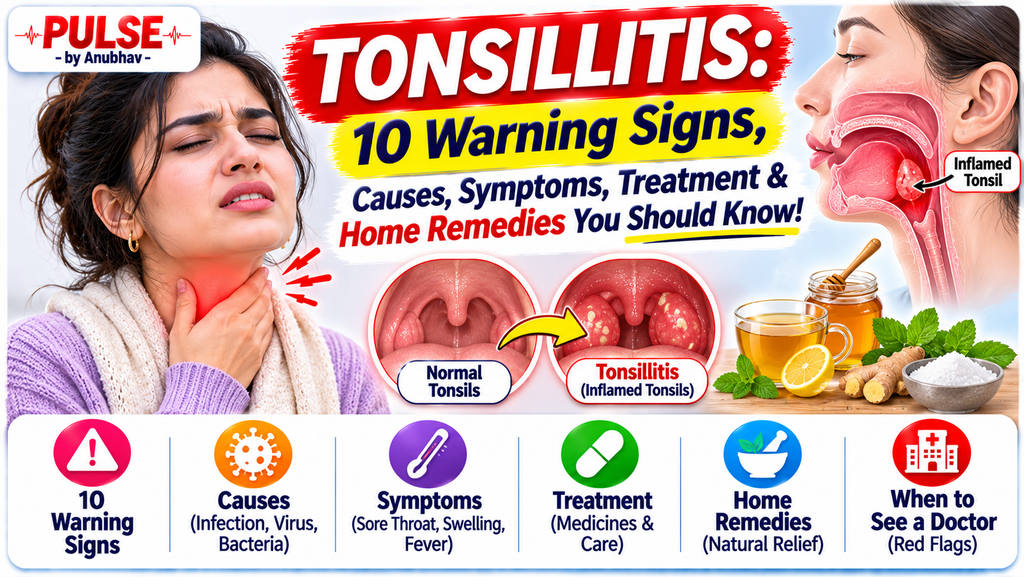
Tonsillitis is an infection that causes inflammation, redness and swelling of the tonsils. It can lead to a severe sore throat, fever, painful swallowing, white patches and swollen lymph nodes. Learn about its common causes, 10 warning signs, types, diagnosis and treatment options. Discover how medicines like Paracetamol, Amoxicillin and Penicillin work, when antibiotics are needed, and which home remedies may provide relief. Also understand prevention tips and serious complications you should never ignore with Pulse by Anubhav.
Note: This entire blog content is for educational purposes only and is not medical advice.
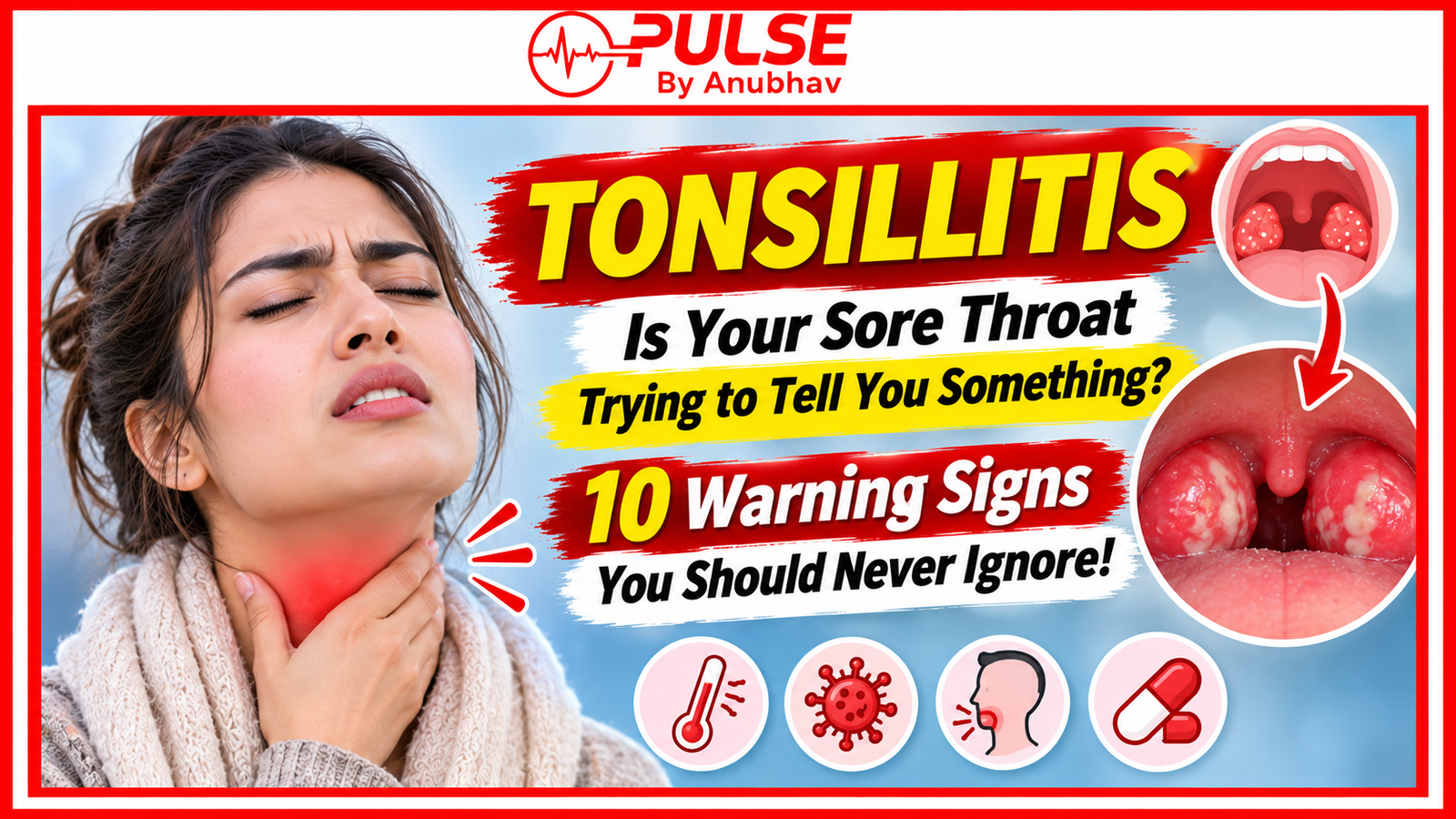
TONSILLITIS: Is Your Sore Throat Trying to Tell You Something? 10 Warning Signs You Should Never Ignore!
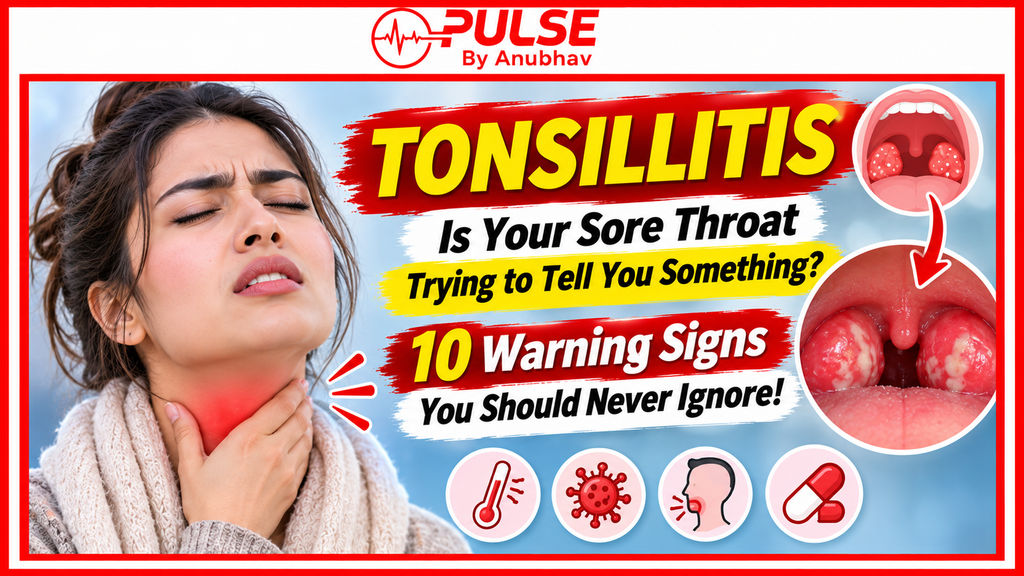
😷 Does swallowing food or even drinking a glass of water feel painful? Have you noticed that your tonsils look swollen, red, or covered with white patches?
Don’t ignore these signs! What seems like an ordinary Sore Throat could actually be Tonsillitis, a common infection that affects the tonsils in both children and adults.
Tonsillitis can make simple daily activities uncomfortable. Eating, drinking, speaking and even swallowing saliva may become painful. While most cases improve with proper care, some infections require medical attention.
But how can you recognise tonsillitis? Is it caused by bacteria or viruses? Can swollen tonsils lead to serious health complications?
Let’s explore everything you need to know about TONSILLITIS, including its causes, 10 warning signs, types, diagnosis, treatment, home remedies and prevention.
🦠 What Is Tonsillitis?
Tonsillitis is a medical condition characterised by inflammation of the tonsils, two oval-shaped masses of lymphoid tissue located at the back of your throat, one on each side.
The tonsils are part of the body’s immune system. They help identify and respond to harmful microorganisms that enter the body through the mouth and nose.
However, when viruses or bacteria infect these tissues, the tonsils can become red, swollen and painful. In some cases, white or yellow patches may also appear on their surface.
Important to know: Tonsillitis is particularly common among children, although adults can develop it too. It can occur as an individual infection or alongside other upper respiratory tract infections.
🔍 What Causes Tonsillitis?
Tonsillitis is primarily caused by viral or bacterial infections. Identifying the cause is important because treatment can differ depending on the microorganism responsible.
1. Viral Infection
Viruses are the most common cause of tonsillitis.
Some viruses associated with tonsil inflammation include:
- Influenza virus
- Adenovirus
- Rhinovirus
- Epstein-Barr virus (EBV)
- Coronavirus
- Respiratory syncytial virus (RSV)
Viral tonsillitis generally improves with rest, hydration and supportive treatment. Antibiotics do not work against viral infections.
2. Bacterial Infection
Bacterial tonsillitis is another important cause of throat inflammation.
One of the most common bacterial causes is:
Group A Streptococcus (Streptococcus pyogenes)
An infection caused by this bacterium is commonly known as strep throat.
Unlike viral infections, confirmed Group A streptococcal infections may require antibiotics prescribed by a healthcare professional to reduce complications and transmission.
🚨 10 Warning Signs and Symptoms of Tonsillitis
How do you know whether your sore throat is actually tonsillitis?
The following symptoms can help you recognise the condition. However, not everyone experiences all these signs.
1. Severe Sore Throat
A persistent or painful sore throat is one of the most common symptoms of tonsillitis.
You may experience irritation, burning sensations or sharp pain, particularly while swallowing food, drinking water or even swallowing saliva.
2. Red and Swollen Tonsils
When an infection affects the tonsils, they may become enlarged, red and inflamed.
In some patients, the swelling can become significant enough to make swallowing uncomfortable.
3. White or Yellow Patches on Tonsils
Have you noticed white spots or yellowish patches at the back of your throat?
These may represent pus or inflammatory material associated with infection.
However, remember that white patches do not automatically mean a bacterial infection. A proper medical examination may be required.
4. Difficulty Swallowing
Tonsil inflammation can make swallowing painful and uncomfortable.
Some people experience difficulty eating solid foods, while severe cases may make swallowing liquids or saliva difficult.
5. Fever and Chills
Fever is another common symptom of tonsillitis.
Your body temperature may increase as the immune system responds to infection. Chills, sweating and general discomfort may also occur.
6. Bad Breath
Have you noticed unpleasant breath even after brushing your teeth?
Tonsillitis can sometimes cause bad breath due to bacterial activity, inflammation and the accumulation of debris around the tonsils.
7. Swollen Lymph Nodes
The lymph nodes located around the neck and below the jaw may become enlarged and tender.
This happens because lymph nodes help the immune system respond to infections.
8. Headache and Body Pain
Some patients experience headaches, tiredness, muscle pain and general body weakness.
These symptoms are particularly common when tonsillitis occurs alongside a viral infection.
9. Change in Voice
Swollen tonsils and surrounding throat inflammation may affect the way you speak.
Your voice may sound muffled, deeper or different from normal.
10. Ear Pain
Surprisingly, tonsillitis can sometimes cause ear pain even when there is no ear infection.
This happens because certain nerves supply both the throat and ear regions, allowing pain to be felt in the ear.
⚠️ When Should You Seek Immediate Medical Attention?
Most cases of tonsillitis are manageable, but certain symptoms should never be ignored.
Seek urgent medical attention if you experience:
- Difficulty breathing.
- Inability to swallow saliva.
- Drooling because you cannot swallow properly.
- Severe one-sided throat pain or swelling.
- Difficulty opening your mouth.
- Rapidly worsening throat swelling.
- A muffled voice accompanied by significant throat swelling.
These symptoms may indicate a serious complication, such as a peritonsillar abscess, in which pus collects around the tonsil.
Difficulty breathing or severe airway obstruction requires emergency medical care.
🔬 Types of Tonsillitis
Based on the pattern and duration of infection, tonsillitis can be described in three main categories.
1. Acute Tonsillitis
Acute tonsillitis develops suddenly and usually causes noticeable symptoms such as:
- Sore throat.
- Fever.
- Swollen tonsils.
- Difficulty swallowing.
- Redness and inflammation.
Many cases improve within approximately 3–7 days, although recovery time can vary depending on the cause and severity.
2. Recurrent Tonsillitis
Recurrent tonsillitis refers to repeated episodes of tonsil inflammation over time.
Patients may experience repeated sore throats, fever and swollen tonsils, with symptoms improving between episodes.
Frequent infections can interfere with school, work, sleep and everyday activities.
3. Chronic Tonsillitis
Chronic tonsillitis refers to persistent or long-lasting tonsil inflammation and related symptoms.
Some patients may experience:
- Persistent throat discomfort.
- Bad breath.
- Enlarged tonsils.
- Repeated irritation.
- Tonsil stones.
The exact diagnosis depends on the clinical history and examination.
🧪 How Is Tonsillitis Diagnosed?
A healthcare professional usually diagnoses tonsillitis by reviewing the patient’s symptoms, medical history and examining the throat.
Depending on the suspected cause, the following tests may be recommended.
1. Physical Throat Examination
The doctor examines the tonsils for redness, enlargement, swelling and white or yellow patches.
The neck may also be checked for swollen lymph nodes.
2. Rapid Antigen Detection Test (RADT)
A throat swab is collected to detect Group A Streptococcus.
This test can help identify streptococcal infection quickly and guide treatment decisions.
3. Throat Culture
A throat swab is sent to a laboratory, where it is examined for bacterial growth.
Throat culture is considered the reference standard for detecting Group A Streptococcus.
In children and adolescents with a negative rapid antigen test, a confirmatory throat culture is generally recommended when strep throat is suspected. This is not routinely required for adults.
4. Blood Tests
A complete blood count (CBC) may sometimes be recommended to assess changes in blood cells associated with infection.
If infectious mononucleosis is suspected, specific Epstein-Barr virus (EBV) testing may also be advised.
💊 Treatment of Tonsillitis
The treatment of tonsillitis depends mainly on whether the infection is viral or bacterial.
The good news is that many cases improve with supportive care and do not require complicated treatment.
1. Treatment for Viral Tonsillitis
Viral tonsillitis usually improves on its own with adequate rest and supportive treatment.
Some helpful measures include:
- Drinking plenty of fluids.
- Getting adequate sleep and rest.
- Gargling with warm salt water.
- Eating soft and easy-to-swallow foods.
- Avoiding smoking and throat irritants.
- Using paracetamol for pain or fever when appropriate.
Antibiotics are not effective against viral infections.
2. Treatment for Bacterial Tonsillitis
When Group A Streptococcus infection is confirmed, a doctor may prescribe antibiotics.
Commonly used antibiotics include:
- Penicillin.
- Amoxicillin.
The choice of antibiotic depends on the patient’s medical history, allergies and clinical condition.
Important: Never take antibiotics without medical advice. Always follow the prescribed dosage and complete the recommended course.
3. Tonsillectomy (Surgical Treatment)
Tonsillectomy is a surgical procedure in which the tonsils are removed.
It may be recommended in selected patients who experience:
- Frequent and documented episodes of tonsillitis.
- Repeated severe throat infections affecting daily life.
- Obstructive sleep-disordered breathing due to enlarged tonsils.
- Certain complications, including recurrent peritonsillar abscess.
However, tonsillectomy is not necessary for everyone with tonsillitis. An ENT specialist evaluates the patient’s condition before recommending surgery.
Also Read- Hemoptysis: Coughing Up Blood – 6 Common Causes, Warning Signs & Treatment Explained
⚠️ What Happens If Tonsillitis Is Left Untreated?
Most cases of tonsillitis resolve without serious complications.
However, certain bacterial infections, particularly untreated Group A Streptococcal infections, can sometimes lead to health problems.
Possible complications include:
1. Peritonsillar Abscess: A painful collection of pus around the tonsil that may cause severe swelling and difficulty swallowing.
2. Recurrent Tonsillitis: Repeated episodes of tonsil inflammation that can affect daily activities.
3. Middle Ear Infection: Some respiratory infections occurring alongside tonsillitis may also involve the middle ear.
4. Obstructive Sleep Apnoea: Enlarged tonsils may partially block the airway during sleep, particularly in children.
5. Acute Rheumatic Fever: An inflammatory complication that can develop after untreated Group A Streptococcal infection and may affect the heart, joints and other organs.
6. Post-Streptococcal Glomerulonephritis: A kidney-related inflammatory condition that can occur following certain streptococcal infections.
Early diagnosis and appropriate treatment can help reduce the risk of complications.
🥗 7 Effective Ways to Prevent Tonsillitis
You cannot prevent every case of tonsillitis, but maintaining good hygiene and healthy habits can reduce your exposure to infectious microorganisms.
1. Wash Your Hands Regularly
Wash your hands properly with soap and water, especially before eating and after coughing, sneezing or touching potentially contaminated surfaces.
2. Avoid Sharing Personal Items
Avoid sharing water bottles, glasses, spoons and other personal items with someone who has an active throat infection.
3. Maintain Good Oral Hygiene
Brush your teeth twice daily and maintain proper oral hygiene to support overall mouth and throat health.
4. Cover Your Mouth While Coughing
Use a tissue or your elbow while coughing or sneezing. This helps reduce the spread of respiratory infections.
5. Stay Hydrated
Drink sufficient water throughout the day to maintain hydration and prevent throat dryness.
6. Eat a Balanced Diet
Include fruits, vegetables, whole grains and protein-rich foods in your daily diet to support normal immune function.
7. Avoid Close Contact During Infection
Avoid close contact with people who have contagious respiratory infections. If you are unwell, stay home when possible and follow appropriate hygiene precautions.
Also Read- Period Early or Late? 8 Common Reasons Behind Irregular Periods & When to Worry
🏠 Home Remedies to Soothe a Sore Throat
Experiencing throat discomfort? Some simple home remedies may help soothe irritation and make swallowing more comfortable.
1. Warm Saltwater Gargling
Mix half a teaspoon of salt in a glass of warm water and gargle.
It may help soothe throat irritation. Do not swallow the solution.
2. Honey
A spoonful of honey may help soothe throat irritation and cough.
However, honey should never be given to babies below one year of age because of the risk of infant botulism.
3. Warm Fluids
Warm water, soups and caffeine-free herbal drinks can help keep you hydrated and provide temporary throat relief.
4. Get Adequate Rest
Your body needs sufficient rest while recovering from an infection. Avoid unnecessary physical exertion and get enough sleep.
5. Choose Soft Foods
Eating may become uncomfortable during tonsillitis.
Try foods such as:
- Khichdi.
- Porridge.
- Vegetable soup.
- Mashed vegetables.
- Soft rice.
- Yogurt, if comfortable.
Remember: Home remedies can help relieve symptoms, but they cannot eliminate a bacterial infection or replace antibiotics when these are medically required.
TONSILLITIS: Medicine & Treatment Guide
Understand common medicines, how they work, treatment options and important precautions.
💊 Common Medicines Used in Tonsillitis
Paracetamol
Pain & Fever ReliefHelps reduce throat pain, headache and fever. It does not kill the infection-causing germs.
Amoxicillin
Prescription AntibioticBlocks bacterial cell-wall synthesis. Used for appropriate bacterial infections, including confirmed strep throat.
Penicillin V
Prescription AntibioticInhibits bacterial cell-wall formation and is a first-line option for Group A Streptococcal infection.
Throat Lozenges
Temporary ReliefSome formulations soothe throat irritation and provide temporary relief from discomfort.
Ibuprofen
Pain & InflammationReduces pain, fever and inflammation by inhibiting COX enzymes and prostaglandin production.
Saltwater Gargling
Home CareWarm saltwater gargling may soothe throat irritation and make swallowing more comfortable.
Paracetamol and ibuprofen help manage symptoms. Antibiotics target susceptible bacteria. Lozenges and gargling provide supportive relief. Viral tonsillitis generally does not require antibiotics.
🏠 Simple Home Care Tips
⚠️ Important Medical Warning
Never start antibiotics without a doctor’s prescription. Medicine selection and dosage depend on age, diagnosis, allergies and medical history. Difficulty breathing or inability to swallow saliva requires emergency medical attention.
🌟 Final Words
Tonsillitis may initially look like an ordinary sore throat, but it is important to recognise the warning signs before the condition becomes more uncomfortable.
Persistent throat pain, swollen tonsils, fever, difficulty swallowing and white patches are symptoms that deserve attention.
The good news is that most cases of tonsillitis improve with proper care, rest and timely medical attention. However, bacterial infections may require appropriate antibiotic treatment.
So, don’t ignore your body’s warning signals. Maintain good hygiene, stay hydrated and consult a healthcare professional when symptoms are severe, persistent or getting worse.
❤️ Your health deserves attention, even when the symptoms seem small.
Stay informed, stay healthy!
For more simple, informative and health-focused articles, keep following Pulse by Anubhav – The Pulse Of Every Update.
FAQs About Tonsillitis
Frequently Asked Questions About Tonsillitis
Common questions about symptoms, medicines, treatment and prevention.
1 thought on “TONSILLITIS: 10 Warning Signs, Causes, Symptoms, Treatment & Home Remedies You Should Know!”