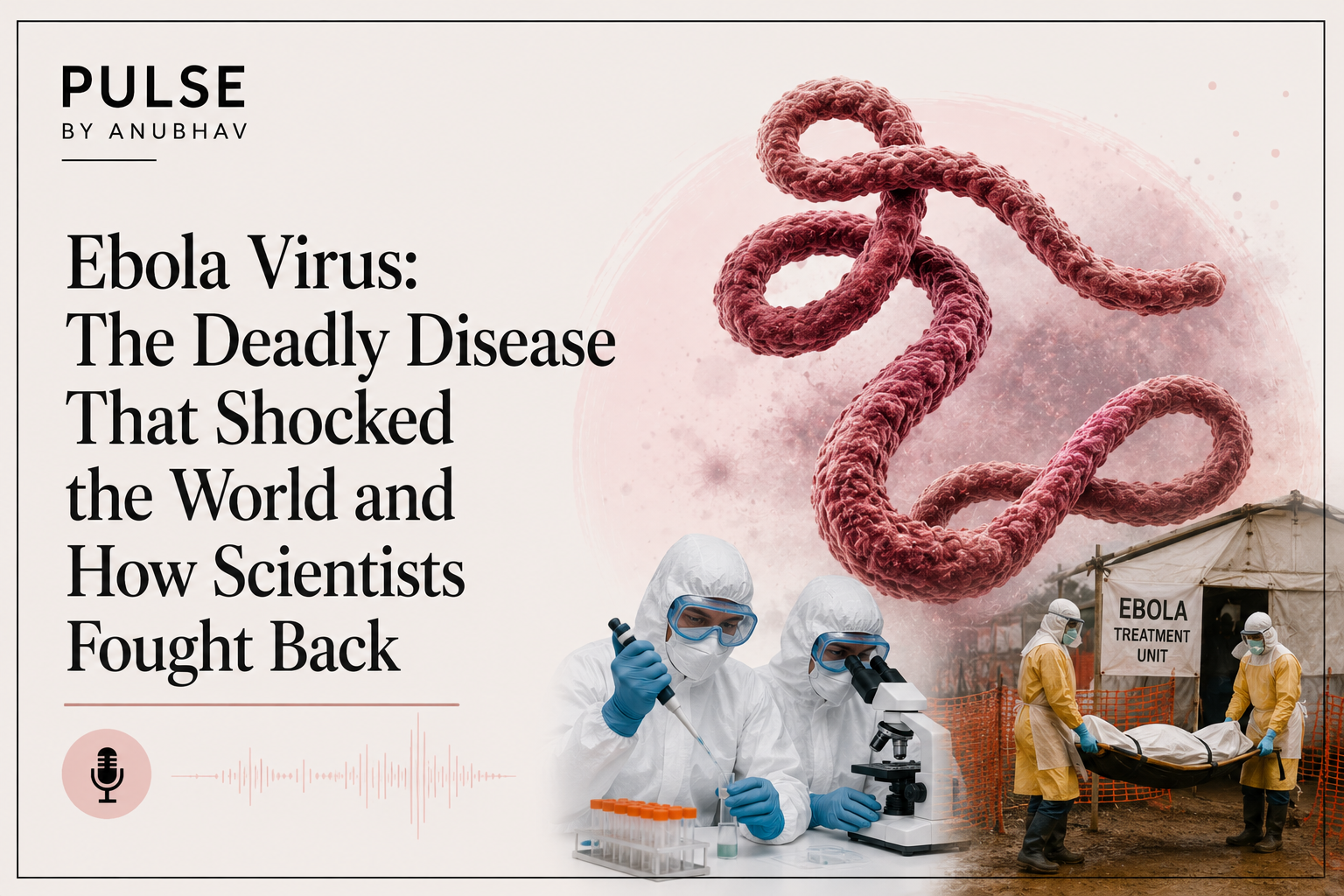
Ebola Virus is a deadly infectious disease caused by Ebolavirus. Learn about its symptoms, causes, transmission, treatment, vaccines, prevention methods, and outbreak history.
Ebola Virus Disease (EVD) is one of the world’s most dangerous viral infections, known for its severe symptoms and high fatality rates during outbreaks. The disease spreads through direct contact with infected body fluids and can lead to organ failure if left untreated. This guide covers Ebola virus symptoms, causes, transmission, diagnosis, treatment options, vaccines, prevention strategies, major outbreaks, myths, and important facts. Learn how modern medicine and global health efforts are helping control this deadly disease. 🦠💙
Also Read- Sunil Ambekar Reacts to Viral Cockroach Janta Party, Says Differing Opinions Are ‘Not a Shock’
Note: This entire blog content is for educational purposes only and is not medical advice.
🦠 Ebola Virus: The Deadly Disease That Terrified the World
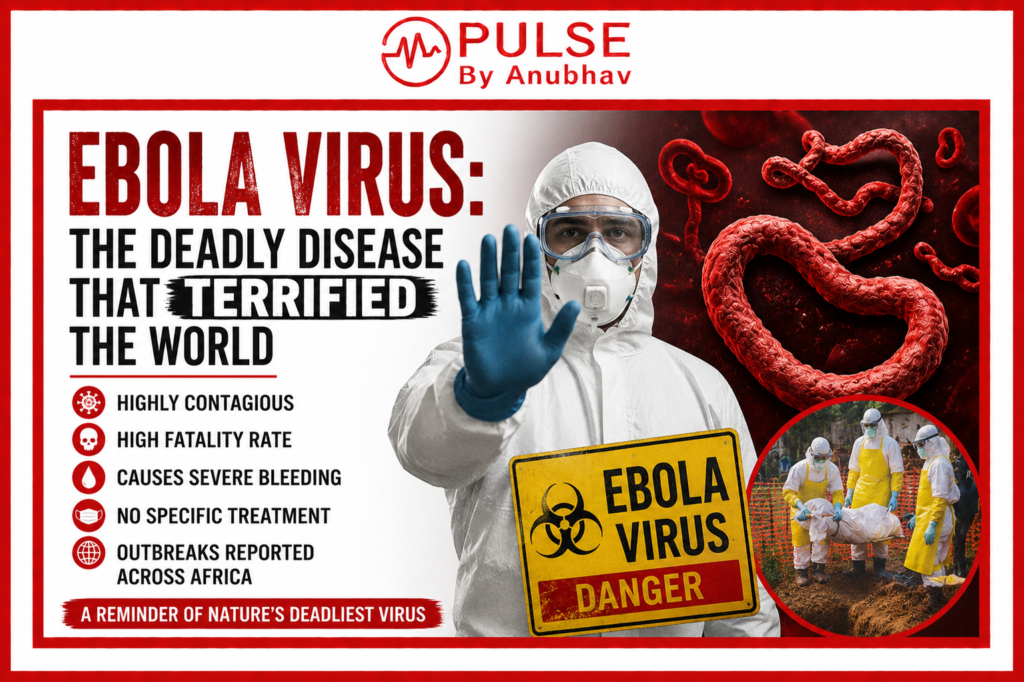
What Is Ebola Virus?
Ebola Virus Disease (EVD) is a rare but extremely dangerous viral infection caused by the Ebolavirus. The disease gained worldwide attention after the devastating outbreaks in Guinea, Liberia, and Sierra Leone between 2014 and 2016.
The virus attacks multiple organs, weakens the body’s immune system, and in severe cases can lead to internal and external bleeding. Without timely medical care, Ebola can become life-threatening.
⚠️ How Does Ebola Spread?
Unlike the common cold or flu, Ebola does not spread through the air. The virus is transmitted through direct contact with infected body fluids or contaminated materials.
Common Ways Ebola Spreads
- Direct contact with infected blood or body fluids
- Touching contaminated surfaces, clothing, or medical equipment
- Contact with infected animals such as bats or primates
- Caring for infected patients without proper protective equipment
Body Fluids That Can Spread Ebola
- Blood
- Saliva
- Vomit
- Sweat
- Urine
- Semen
Even after recovery, the virus may remain in certain body fluids for weeks or even months.
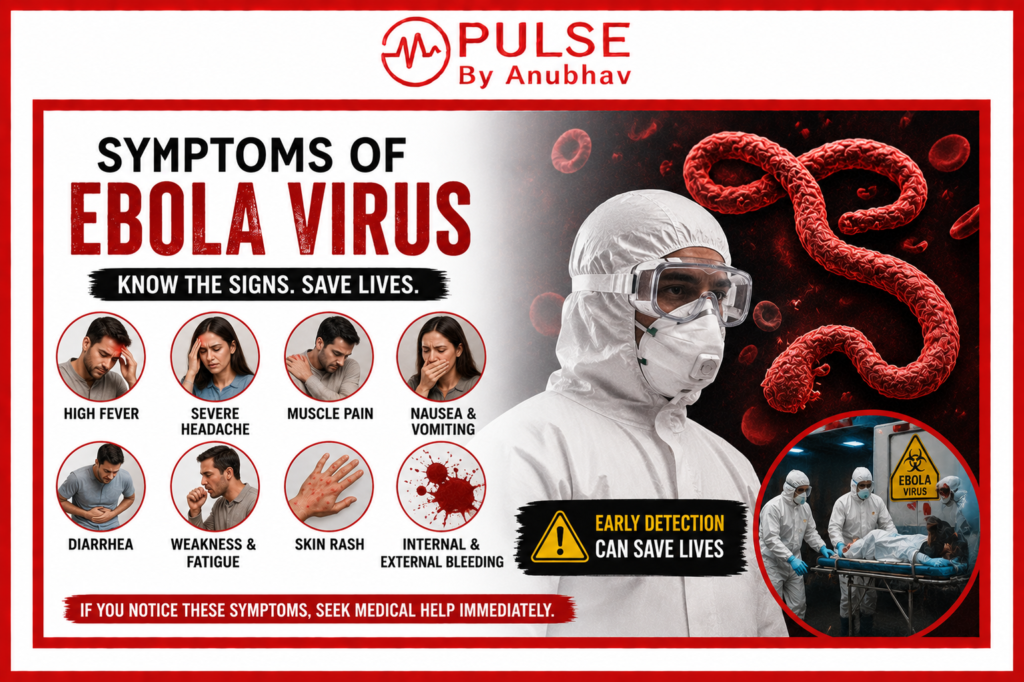
🧬 Symptoms of Ebola Virus
Symptoms usually appear between 2 and 21 days after exposure to the virus.
Early Symptoms
- High fever
- Severe weakness
- Headache
- Muscle pain
- Sore throat
- Extreme fatigue
Advanced Symptoms
- Vomiting
- Diarrhea
- Skin rash
- Severe stomach pain
- Bleeding from the gums, nose, or internal organs
- Organ failure
- Severe dehydration and shock
As the disease progresses, patients may require intensive medical support to survive.
🔬 Why Is Ebola So Dangerous?
Ebola is considered one of the world’s most feared infectious diseases because it can rapidly become severe.
Key Reasons Ebola Is Dangerous
- Can spread quickly in healthcare settings without proper precautions
- Causes significant damage to the immune system
- May lead to multi-organ failure
- Has a high fatality rate during uncontrolled outbreaks
Depending on the strain and quality of medical care available, Ebola outbreaks have reported mortality rates ranging from 25% to 90%.
🧪 How Is Ebola Diagnosed?
Diagnosing Ebola requires specialized laboratory testing because its early symptoms often resemble other diseases such as malaria, typhoid, or influenza.
Common Diagnostic Tests
- Blood tests
- PCR (Polymerase Chain Reaction) testing
- Antigen detection tests
Early and accurate diagnosis is essential for improving patient outcomes and preventing further transmission.
💉 Is There Any Treatment for Ebola?
There is currently no simple cure pill for Ebola, but treatment options have improved significantly over the years.
Current Ebola Treatment Includes
- Intravenous (IV) fluids to prevent dehydration
- Oxygen therapy
- Blood pressure stabilization
- Treatment of secondary infections
- Antiviral antibody therapies
Early hospitalization and supportive care greatly increase a patient’s chances of survival.
Also Read- Abhishek Banerjee News: “BJP Wanted to Kill Me”, Claims TMC Leader After Mob Attack
💉 Best Ebola Virus Treatments Available Today
Modern medicine has significantly improved the treatment of Ebola Virus Disease (EVD). While there is no simple tablet or home remedy that can cure Ebola, scientists have developed powerful antibody-based medicines that help the body fight the virus more effectively.
Ebola is a life-threatening medical emergency. Treatment should only be provided in specialized hospitals and outbreak response centers under expert medical supervision.
🏆 Most Effective Ebola Medicines Currently Used
| Brand Name | Generic Name | Medicine Type | Status |
|---|---|---|---|
| Inmazeb | Atoltivimab + Maftivimab + Odesivimab | Triple Monoclonal Antibody Therapy | FDA Approved |
| Ebanga | Ansuvimab-zykl | Single Monoclonal Antibody | FDA Approved |
🥇 Inmazeb (Most Widely Recommended Treatment)
Brand Name: Inmazeb
Composition:
Atoltivimab + Maftivimab + Odesivimab-ebgn
How It Works:
Inmazeb contains three specially designed antibodies that attach to the Ebola virus and block it from entering healthy human cells. This helps the immune system neutralize the virus and reduce severe disease progression.
Why It Is Important:
Clinical studies showed that Inmazeb significantly improved survival rates compared with older treatment approaches. It is considered one of the most effective therapies currently available for Zaire Ebola Virus infection.
How It Is Given:
Single intravenous (IV) infusion inside a hospital setting.
Availability:
Mainly supplied through government health systems, outbreak response programs, WHO-supported facilities, and specialized treatment centers.
Estimated Cost:
Public pricing is not consistently available worldwide because treatment is generally distributed through emergency outbreak programs rather than regular retail pharmacies.
🥈 Ebanga (Ansuvimab)
Brand Name: Ebanga
Generic Name: Ansuvimab-zykl
Composition:
Human monoclonal antibody targeting Ebola virus glycoprotein.
How It Works:
Ebanga directly binds to the Ebola virus surface protein and prevents the virus from attaching to human cells. This blocks viral entry and helps stop further infection inside the body.
How It Is Given:
Intravenous (IV) infusion under medical supervision.
Benefits:
Can improve survival chances when administered early in the disease course and combined with supportive medical care.
Availability:
Typically available through specialized Ebola treatment programs and emergency outbreak response systems.
🏥 Supportive Care Still Saves Lives
Even with advanced medicines like Inmazeb and Ebanga, supportive care remains one of the most important parts of Ebola treatment.
- IV fluids for dehydration
- Oxygen therapy
- Blood pressure support
- Electrolyte correction
- Treatment of secondary infections
- Intensive monitoring in critical cases
The most effective modern Ebola treatments are Inmazeb and Ebanga, both of which use advanced monoclonal antibody technology to target the virus directly. According to WHO and FDA-supported treatment data, early diagnosis combined with antibody therapy and supportive hospital care can dramatically improve survival rates compared with past outbreaks. 🦠💙
💉 Ebola Vaccines
Following major outbreaks, scientists successfully developed vaccines to help prevent Ebola infections.
Important Ebola Vaccine
Ervebo is one of the most widely used vaccines and has played a major role in controlling outbreaks in high-risk regions.
Vaccination programs continue to be an important tool in outbreak prevention and response.
🌍 Major Ebola Outbreaks in History
2014–2016 West Africa Outbreak
This remains the largest Ebola outbreak ever recorded. Thousands of people were infected, causing widespread fear and prompting an international public health response.
Democratic Republic of the Congo Outbreaks
Several Ebola outbreaks have occurred in the Democratic Republic of the Congo. Healthcare workers, governments, and international agencies worked extensively to contain the spread of the virus.
🦇 Natural Reservoir: Where Did Ebola Come From?
Scientists believe that fruit bats are the natural hosts of the Ebola virus.
Humans may become infected after coming into contact with infected wildlife, including bats and non-human primates. From there, human-to-human transmission can occur through direct contact with infected body fluids.
🛡️ How To Prevent Ebola
Preventive measures play a crucial role in controlling Ebola outbreaks.
Prevention Tips
- Avoid contact with infected body fluids
- Wash hands frequently with soap and water
- Use protective equipment in healthcare settings
- Avoid handling dead animals in outbreak areas
- Follow official travel and public health advisories
Public awareness, early detection, and rapid isolation remain among the most effective strategies for controlling outbreaks.
🦠 Ebola Virus vs Other Deadly Diseases
Many infectious diseases have caused major public health concerns around the world, but they do not all spread in the same way or carry the same level of risk. Understanding the differences between Ebola Virus, COVID-19, Marburg Virus, and Dengue can help people better understand how these diseases affect communities and why prevention strategies vary from one disease to another.
| Disease | Cause | Primary Spread | Fatality Rate |
|---|---|---|---|
| Ebola Virus | Ebolavirus | Direct contact with infected body fluids | High |
| COVID-19 | Coronavirus (SARS-CoV-2) | Airborne droplets and aerosols | Lower |
| Marburg Virus | Marburgvirus | Direct contact with infected body fluids | High |
| Dengue | Dengue Virus | Mosquito bites | Generally Lower |
🔬 What Makes Ebola Different?
Unlike COVID-19, which spreads through the air, the Ebola Virus spreads through direct contact with infected blood and body fluids. This makes Ebola less contagious in everyday situations, but significantly more dangerous in hospitals, caregiving environments, and outbreak zones where close contact is common.
The Marburg Virus is often compared to Ebola because both belong to the same family of viruses and can cause severe hemorrhagic fever. Both diseases have historically recorded high fatality rates during outbreaks and require rapid medical intervention.
Meanwhile, Dengue follows a completely different transmission route. It spreads through infected mosquito bites rather than person-to-person contact. Although dengue infects millions of people worldwide every year, its fatality rate is generally lower when proper medical care is available.
While Ebola Virus is not as easily transmissible as airborne diseases like COVID-19, it remains one of the world’s most feared infections because of its severe symptoms, potential for organ failure, and historically high mortality rates. Early detection, isolation, vaccination, and proper medical care remain critical in controlling outbreaks.
🚫 Common Myths About Ebola Virus — Separating Facts From Fiction
Because the Ebola Virus is one of the world’s most feared infectious diseases, misinformation often spreads alongside real health concerns. Understanding the facts is essential for reducing panic and helping people make informed decisions during outbreaks.
“Ebola spreads through the air just like the flu or COVID-19.”
Ebola is not an airborne disease. The virus spreads through direct contact with infected blood, saliva, vomit, sweat, urine, semen, or other body fluids. Simply being near an infected person does not usually cause transmission unless there is direct exposure to infectious fluids.
“Every Ebola patient experiences severe bleeding.”
Although Ebola is often described as a hemorrhagic fever, not every patient develops visible bleeding symptoms. Many infected individuals experience fever, weakness, vomiting, diarrhea, and dehydration without any obvious external bleeding. This misconception often leads people to misunderstand how the disease actually presents.
“Getting Ebola means certain death.”
Ebola is a serious disease, but it is not always fatal. Advances in medical care, supportive treatment, antiviral therapies, and vaccination programs have significantly improved survival rates. Many patients recover successfully when they receive early diagnosis and proper medical attention.
📌 Interesting Facts About Ebola
- Ebola was first identified in 1976 near the Ebola River in the Democratic Republic of the Congo.
- Not every Ebola patient develops visible bleeding symptoms.
- Survivors may experience long-term health issues such as fatigue, joint pain, and vision problems.
- Rapid isolation and contact tracing are key tools used to stop Ebola outbreaks.
- Modern vaccines have significantly improved outbreak control efforts.
💁🏻♂️ Final Thoughts
The Ebola Virus Disease remains one of the world’s most feared infectious diseases. However, advances in vaccines, rapid testing, medical treatment, and outbreak response strategies have dramatically improved global preparedness.
While Ebola can be deadly, awareness, proper hygiene, early diagnosis, and timely medical care remain the strongest defenses against the virus.
At Pulse by Anubhav, we believe accurate health awareness is the first step toward better protection and informed decision-making. 🦠💙
Also Read- Preity Mukhundhan Net Worth, Height, Family & Why Blast Movie Is Trending
❓ Frequently Asked Questions About Ebola Virus
Tags:- Ebola Virus, Ebola Virus Disease, EVD, Ebola Symptoms, Ebola Treatment, Ebola Vaccine, Ebola Causes, Ebola Transmission, Ebola Prevention, Ebola Outbreak, Ebola Mortality Rate, Ebola Diagnosis, Ebola Facts, Ebola History, Marburg Virus, Infectious Diseases, Public Health, Global Health, Virus Awareness, Health Education, Medical Research, WHO Ebola, Ebola Survivor Effects, Pulse by Anubhav
5 thoughts on “Ebola Virus: The Deadly Disease That Shocked the World and How Scientists Fought Back”